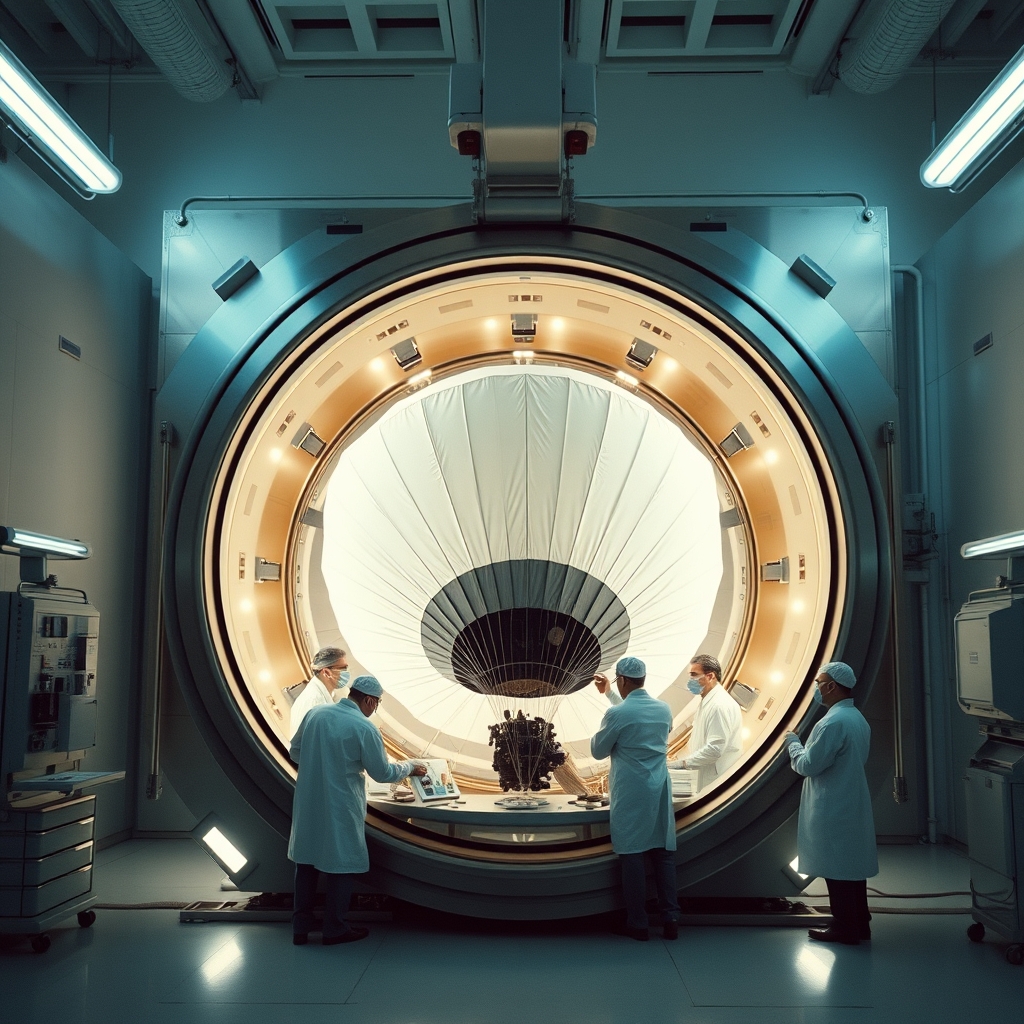
How ESA Bakes the Largest Mars Parachute to Prevent Forward Contamination
ESA heats a 35‑m nylon‑Kevlar parachute to a sterile level before its 2028 launch, protecting Mars from Earth microbes and ensuring clean science.
cossmicbear
CosmicBear — a science and technology website covering space, astronomy, scientific discoveries, research, and fascinating facts about our universe and the world around us.
ESA heats a 35‑m nylon‑Kevlar parachute to a sterile level before its 2028 launch, protecting Mars from Earth microbes and ensuring clean science.
ESA broadcast the August 12, 2026 total solar eclipse from Spain’s Javalambre Observatory, highlighting the science and public impact of the event.

ESA confirms PLATO’s electronics passed electromagnetic compatibility tests, clearing the final hurdle before its March 2027 launch.
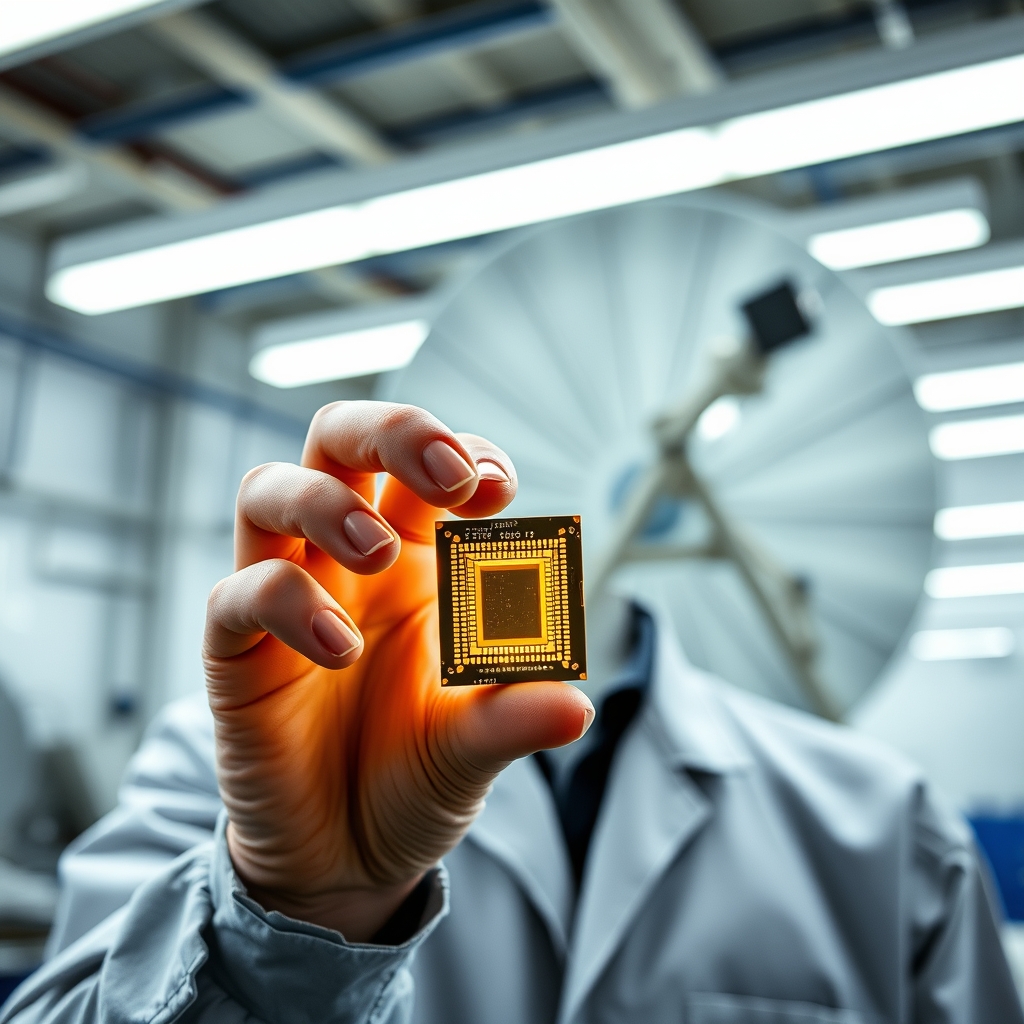
ESA showcases Asygn’s integrated beamforming chips that steer radio beams electronically, promising smaller, cheaper phased‑array antennas for space and Earth.
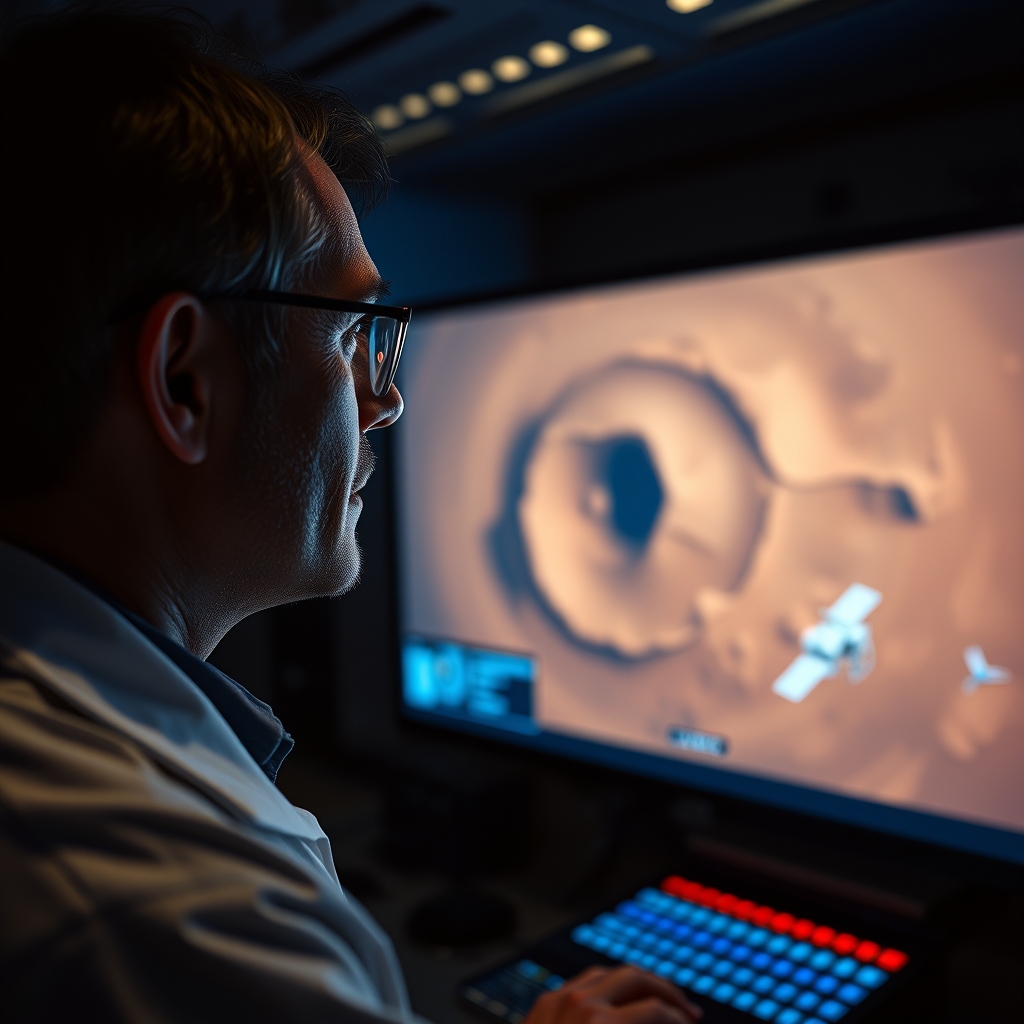
A new ESA video lets us orbit the 460 km Schiaparelli Crater, revealing its shallow depth and the trade‑offs behind the visualisation.
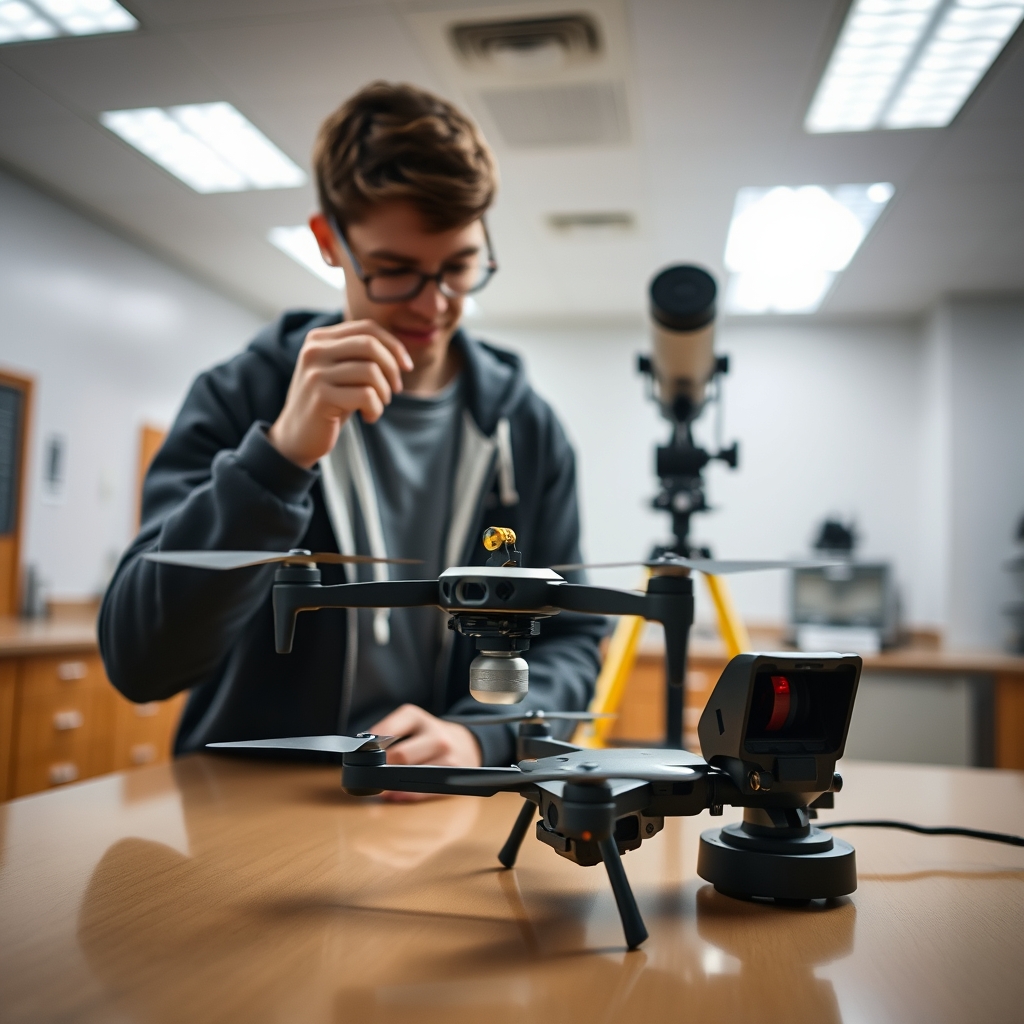
A student team demonstrated a low‑cost 3D‑printed radar retroreflector on a drone at ESA’s ESTEC, paving the way for better tracking of tiny rockets and drones.
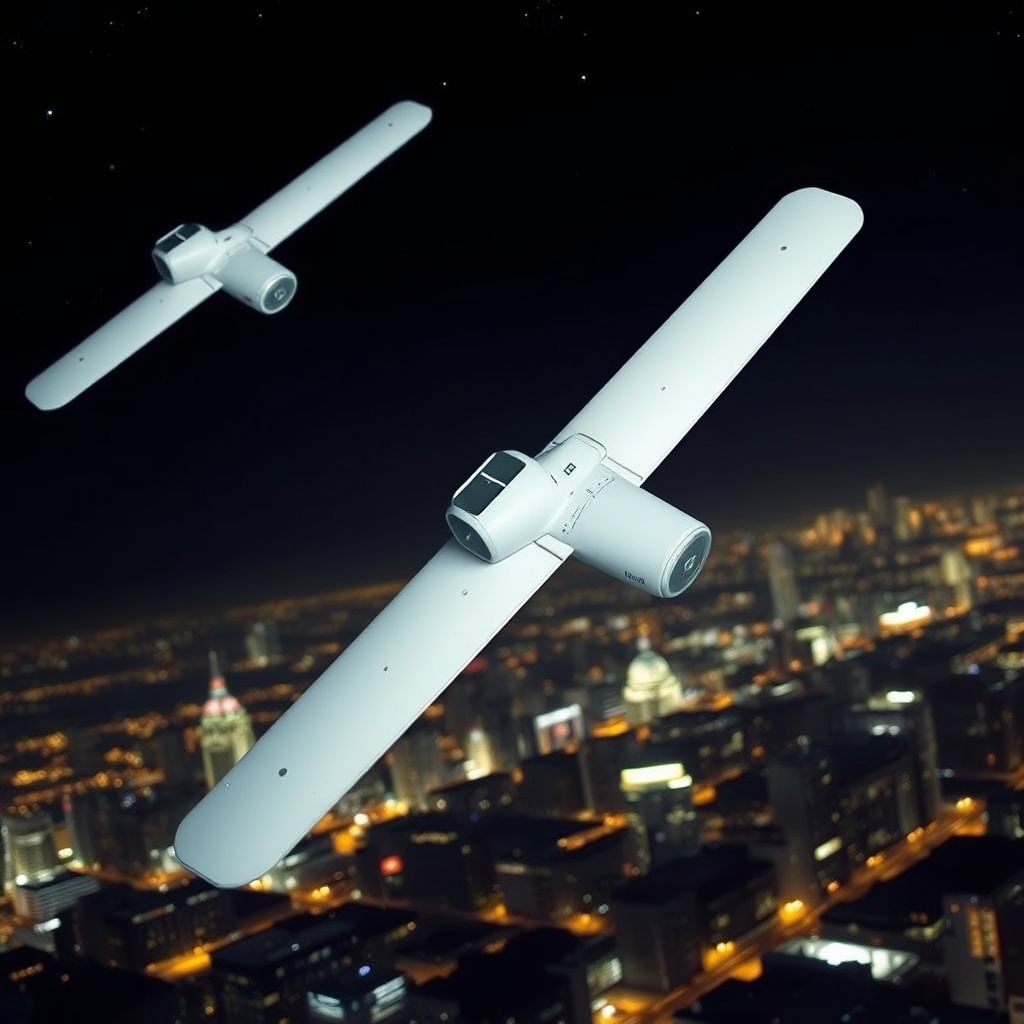
ESA’s Proba‑3 shows its occulter spacecraft in a split‑view Earth photo, revealing how formation‑flying works and what it means for future missions.
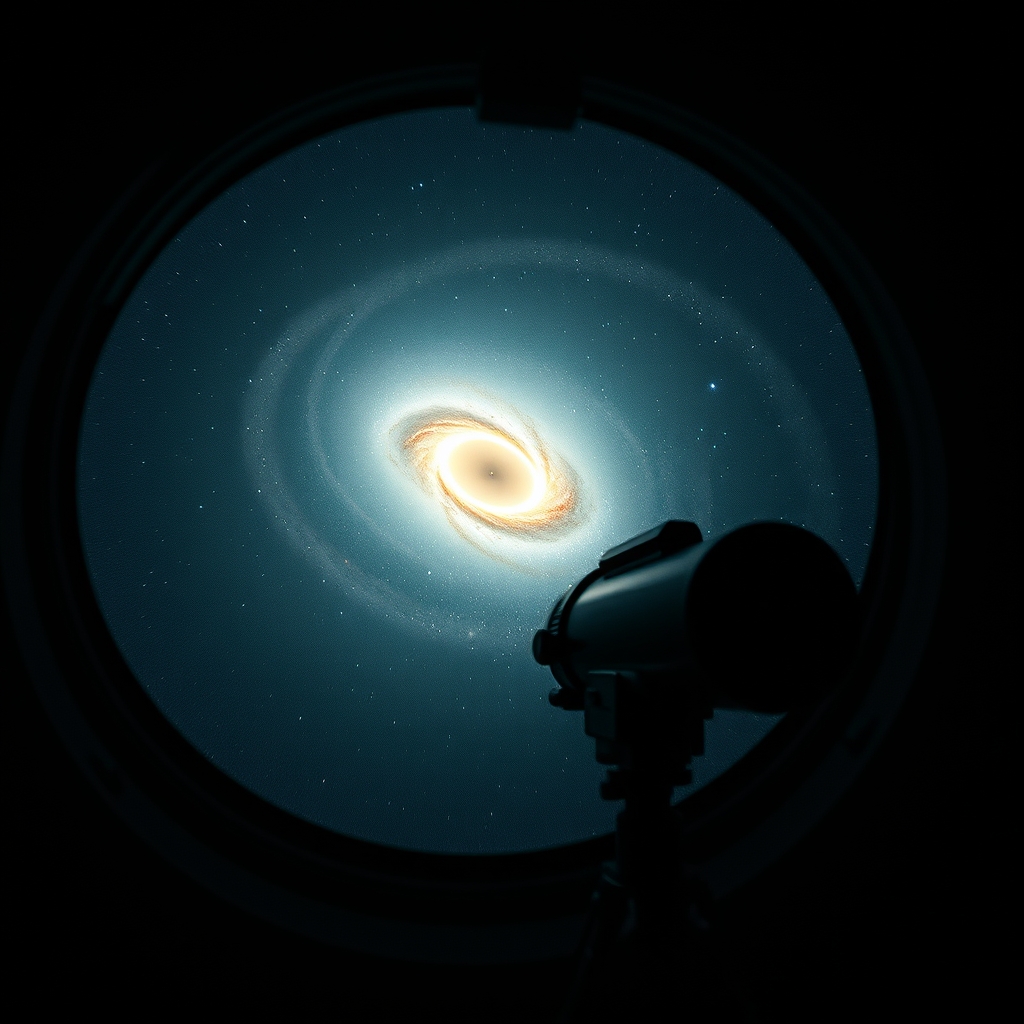
NGC 4698 is a spiral galaxy with a bulge rotating perpendicular to its disc, revealing clues about past mergers in the Virgo Cluster.

The Roman Space Telescope will scan the sky in visible to near‑infrared, targeting dark energy, dark matter and exoplanets with a 2.4 m mirror.

ESA’s Expedition Sound podcast turns space mission data into audio, making astronomy accessible and revealing hidden science through sonification.