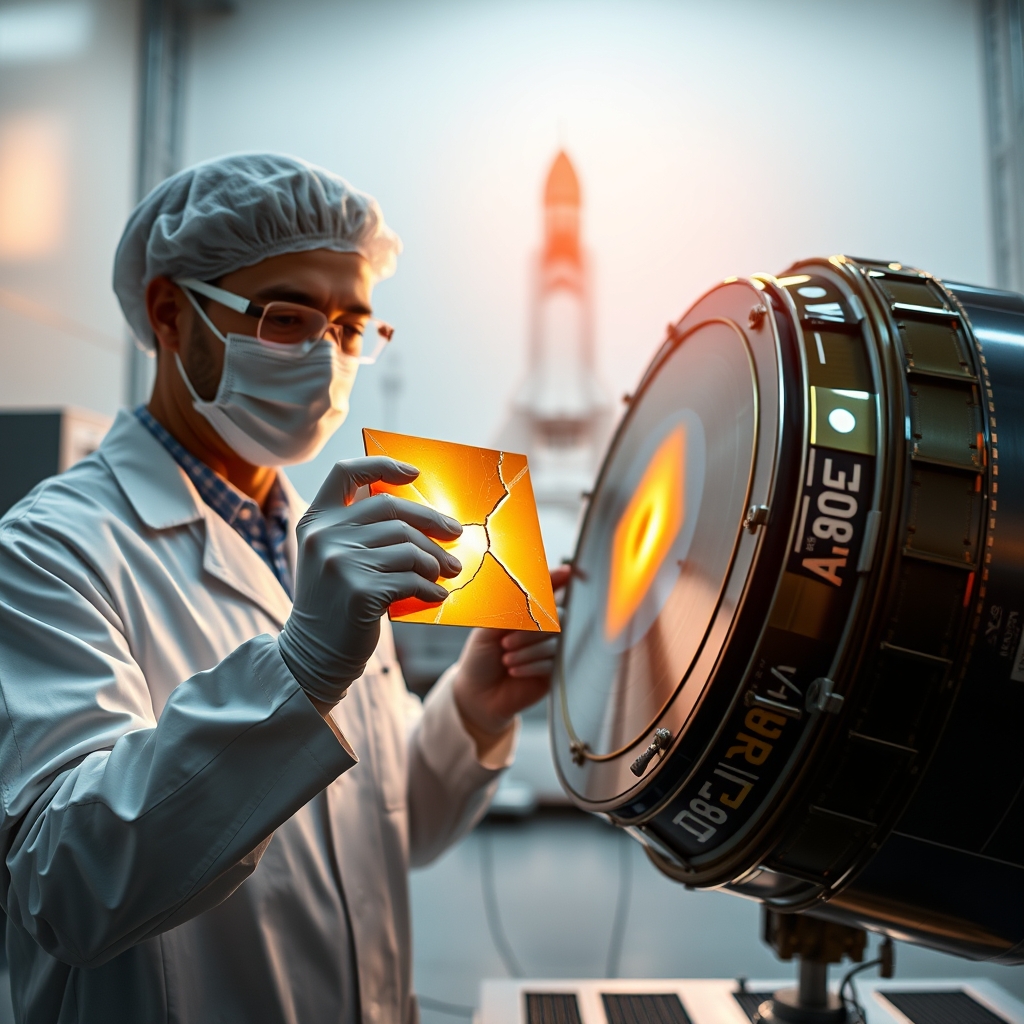
ESA awards spotlight satellite delivery excellence and a self‑healing composite breakthrough
ESA recognises three European firms for rapid satellite delivery and a self‑healing composite, highlighting the trade‑offs and next steps for space tech.
cossmicbear
CosmicBear — a science and technology website covering space, astronomy, scientific discoveries, research, and fascinating facts about our universe and the world around us.
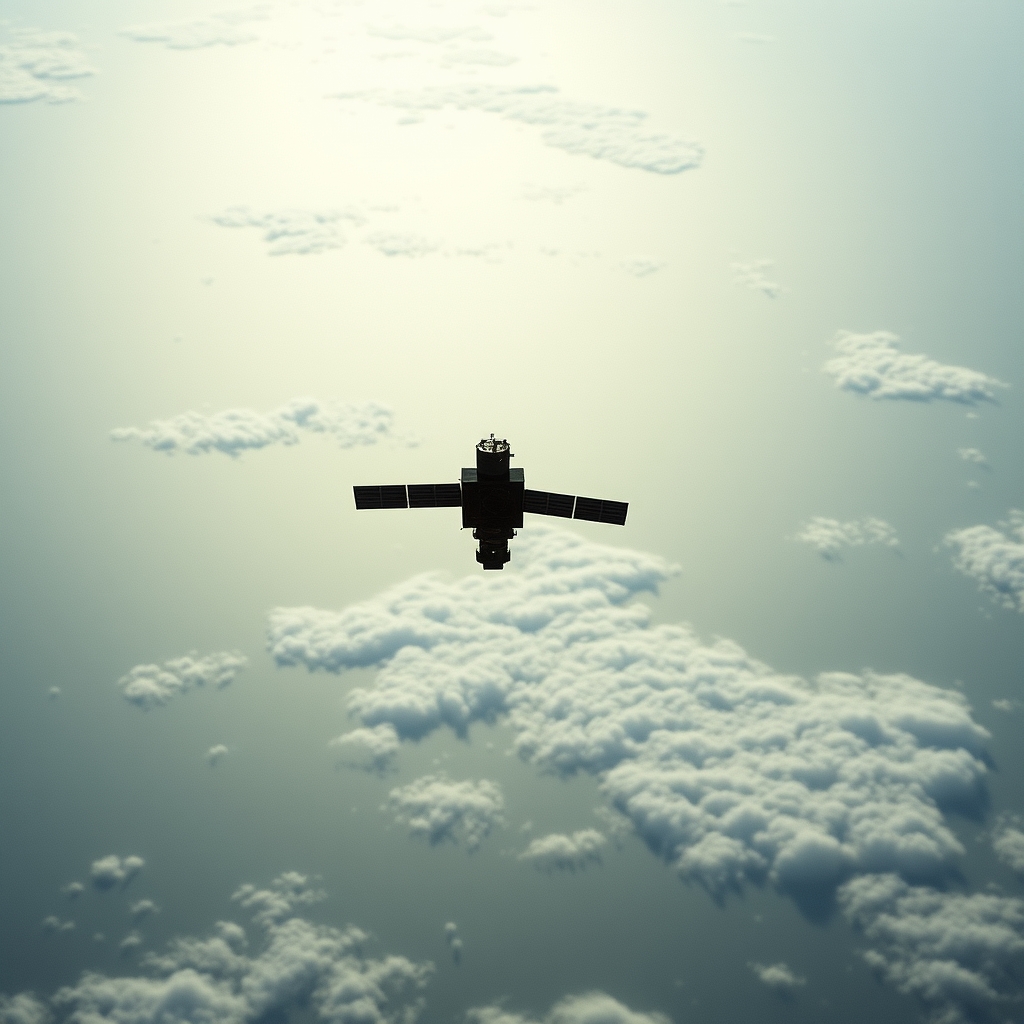
ESA recognises three European firms for rapid satellite delivery and a self‑healing composite, highlighting the trade‑offs and next steps for space tech.

ESA invites European researchers to test AI and image‑processing software aboard Hera in deep space, using a safe dual‑core sandbox in 2027.
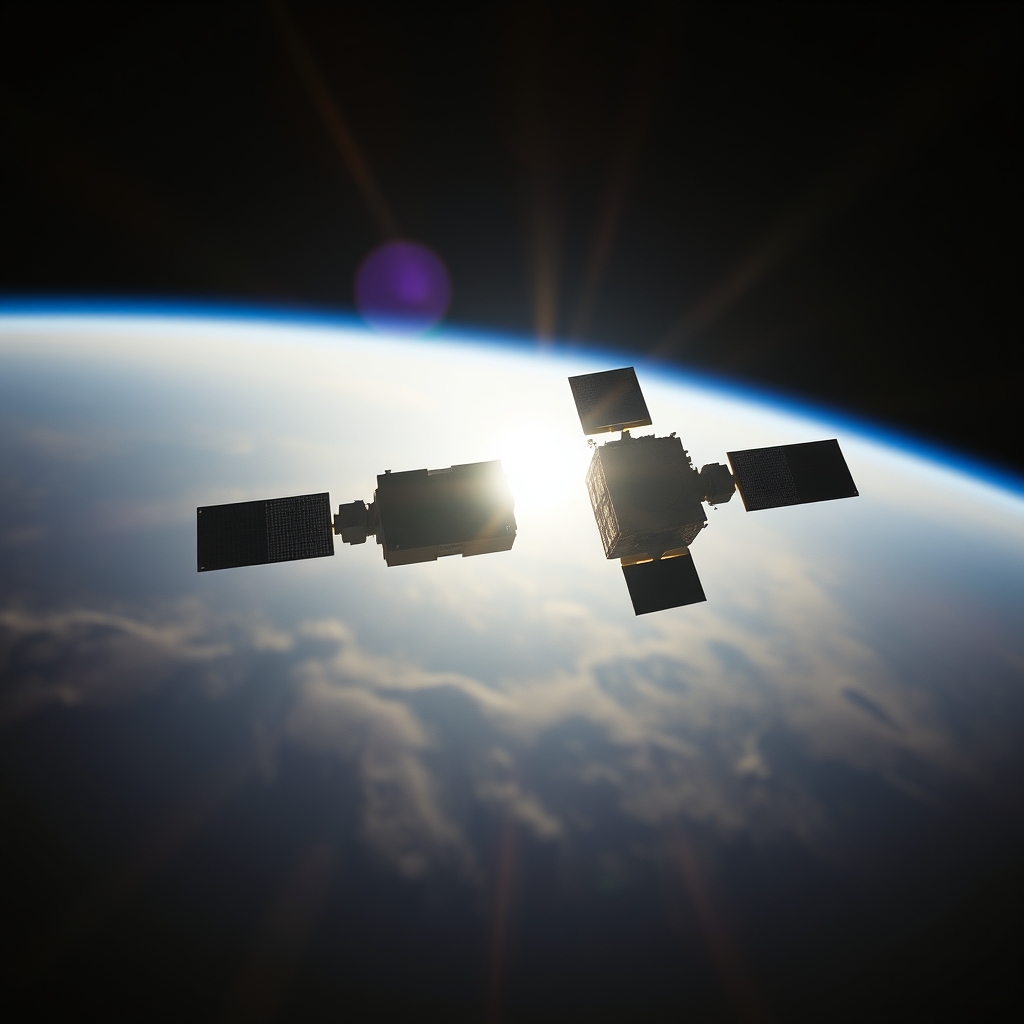
ESA’s Proba‑3 captured a rare double eclipse, combining a natural Moon shadow with its artificial eclipse, offering unique solar data.
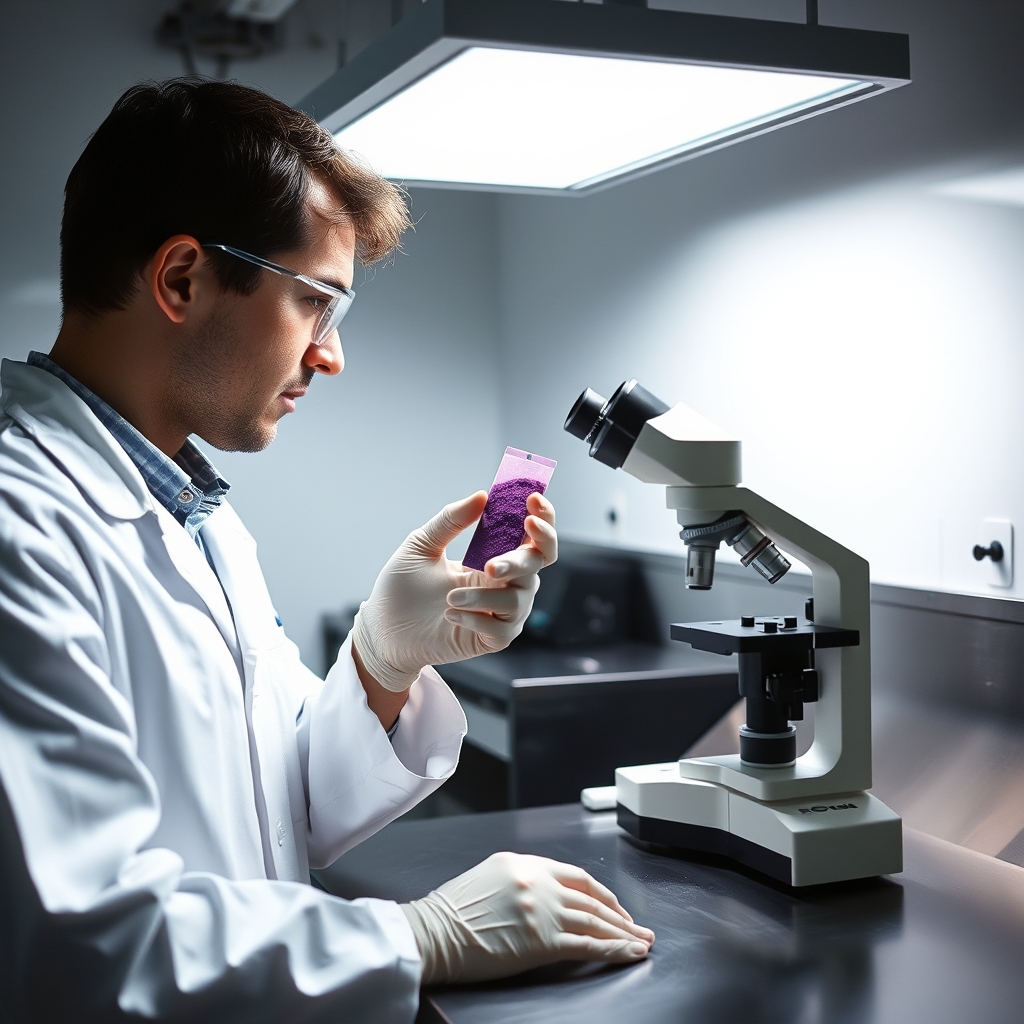
Mars Express’s HRSC camera captured purple‑tinged cliffs near the south pole. Learn how volcanic minerals, CO₂ frost, dust and light create the striking colours.
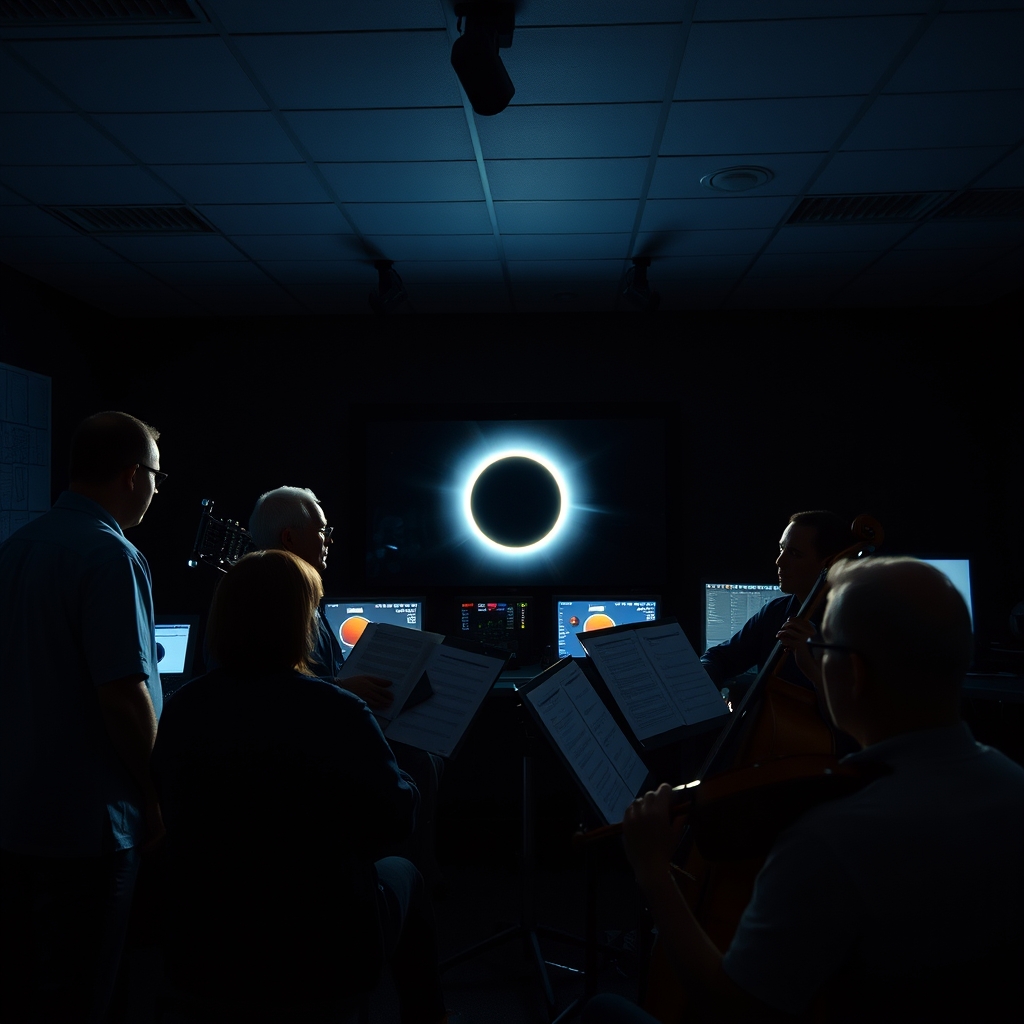
ESA uses artificial eclipses, Solar Orbiter data, and a musical simulation to study the 12 Aug 2026 total solar eclipse and improve space‑weather forecasts.
Webb’s latest deep view of IC 348 reveals brown dwarfs just twice Jupiter’s mass, challenging star‑formation models and hinting at planet‑forming disks.
NASA's Roman Space Telescope launched on a Falcon Heavy, beginning a five‑year infrared survey to probe dark energy, dark matter, and thousands of new exoplanets.
ESA and JAXA’s BepiColombo prepares for Mercury orbit as the Mercury Transfer Module separates on 3 Sept 2026, a key step toward new science.
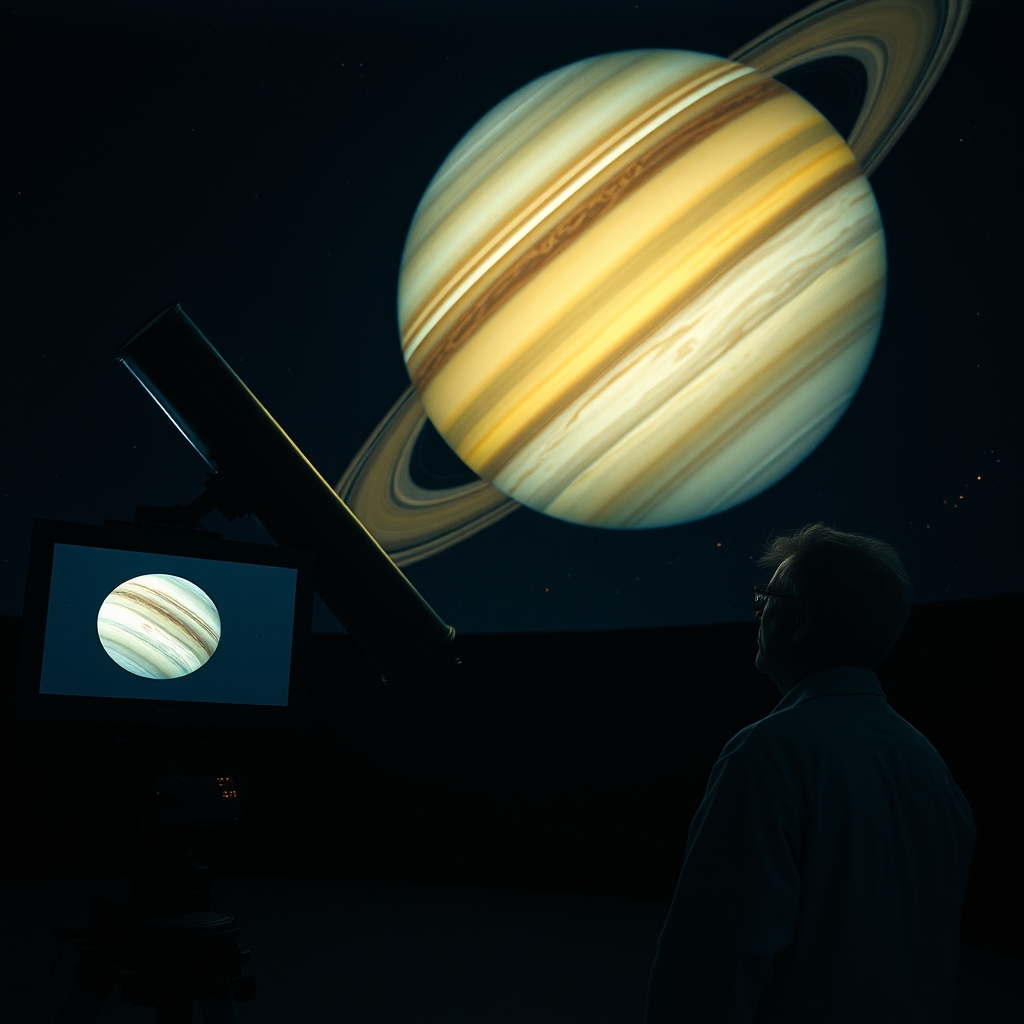
Hubble reveals a ten‑sided atmospheric wave around Saturn’s south pole, offering a fresh look at giant‑planet dynamics and the planet’s seasonal changes.
ESA’s Proba‑3 created an artificial solar eclipse on 12 August 2026, offering hours of corona view and a double eclipse with the Moon.