Space
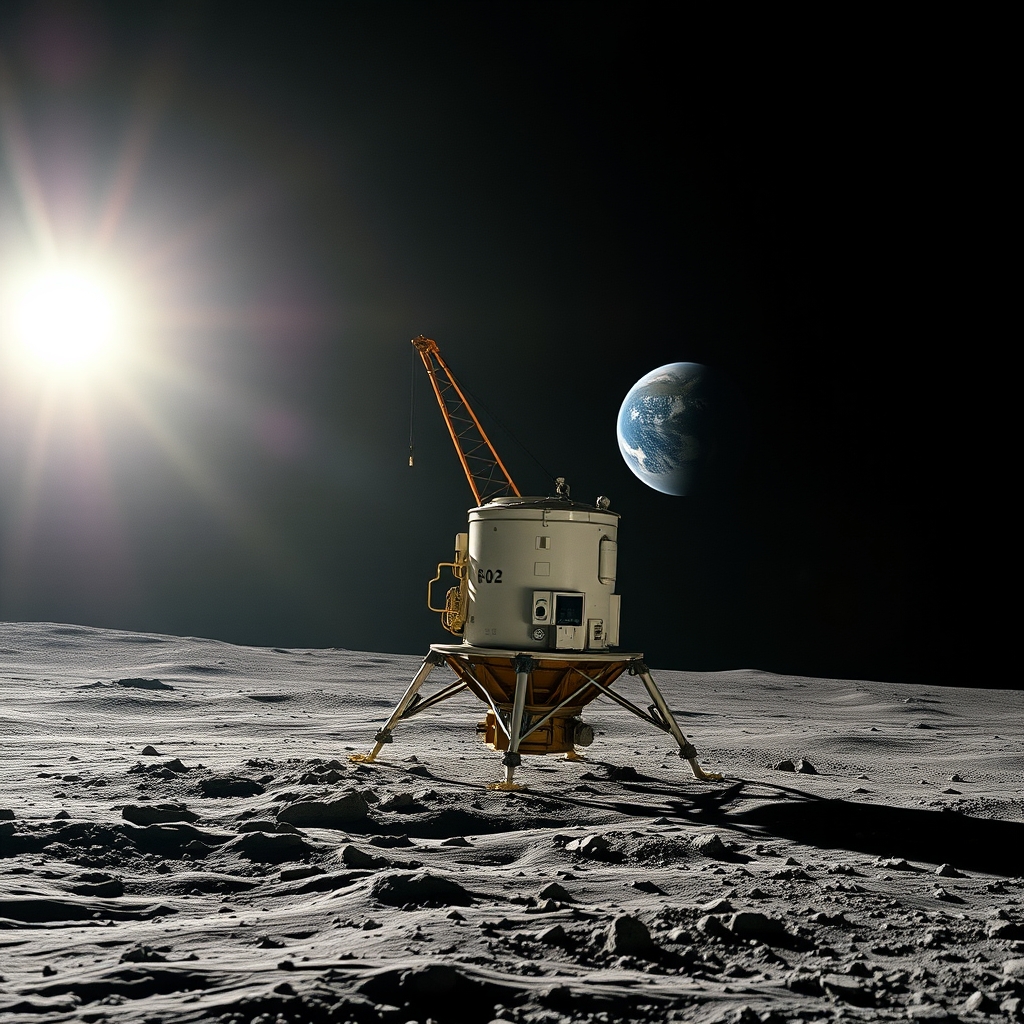
European Lunar Crane Ready to Lighten Argonaut Landers’ Load
ESA’s Loader crane can lift 1 tonne on the Moon, moving payloads up to six metres from Argonaut landers and easing lunar infrastructure setup.
Read the storyCosmicBear — a science and technology website covering space, astronomy, scientific discoveries, research, and fascinating facts about our universe and the world around us.
Space
ESA’s Loader crane can lift 1 tonne on the Moon, moving payloads up to six metres from Argonaut landers and easing lunar infrastructure setup.
Read the story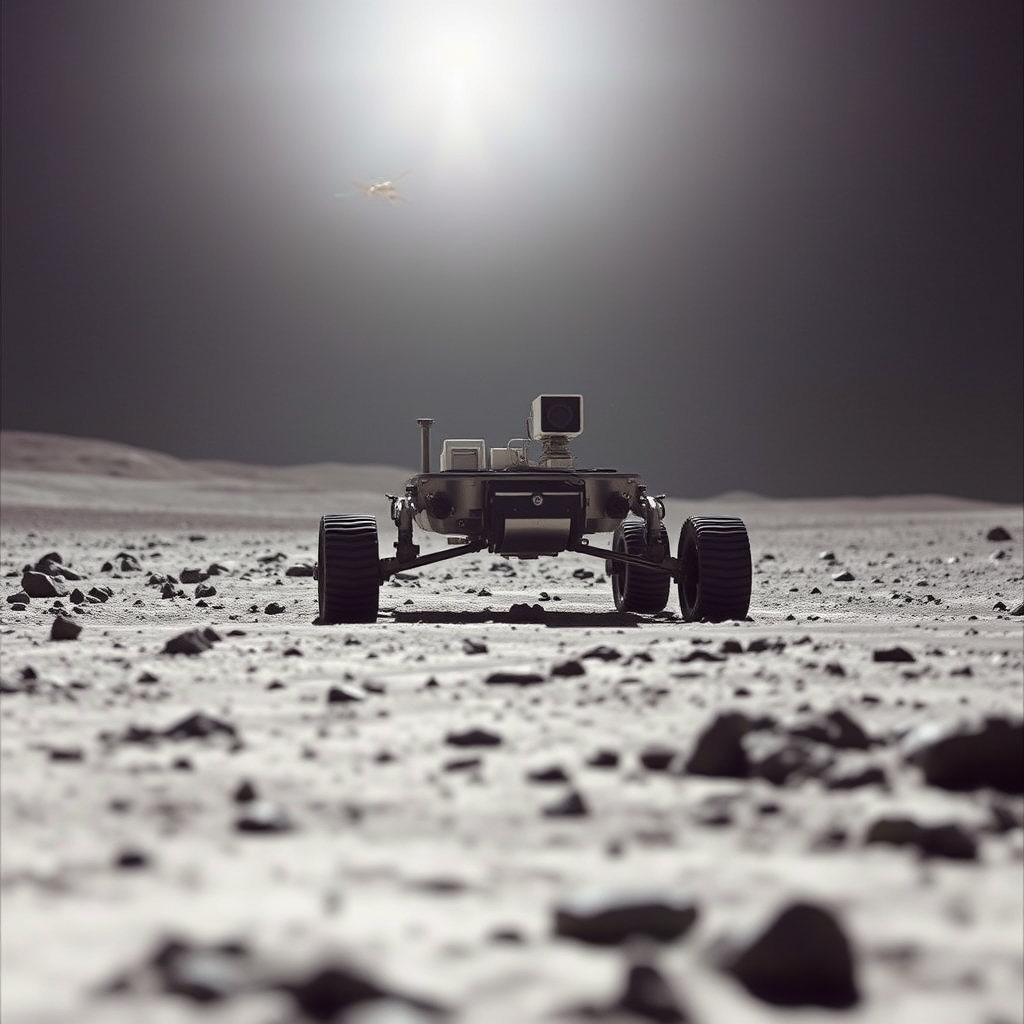
ESA’s Lunar X‑view competition asks participants to match rover panoramas with orbital maps, a step toward autonomous lunar exploration.
BepiColombo reaches Mercury after eight years. Learn what the mission’s three‑word snapshots reveal about its challenges and teamwork.
James Webb’s infrared view of N159 shows how low‑metallicity environments shape star birth, offering a window into the early universe.
cossmicbear publishes concise, research‑based articles on science, space, physics, biology, astronomy, and technology. The content is aimed at curious readers who want clear explanations without jargon. We do not provide speculative opinions, commercial advertising, or unverified claims.
Get weekly updates on the latest science discoveries, from space to biology.
What JWST Reveals About the Atmospheres of Distant Worlds.The James Webb Space Telescope (JWST) has begun to study the light that passes through the atmospheres of planets orbiting other stars. By measuring how the light changes at different wavelengths, scientists can identify gases such as water vapor, methane, and carbon dioxide. In a recent survey of 20 exoplanets, JWST detected water vapor in the atmosphere of a planet about 1.5 times the size of Earth. The planet orbits a star 200 light‑years away, and its atmosphere shows a temperature profile that suggests it could host liquid water on its surface. The data also reveal that many hot Jupiters—large planets that orbit very close to their stars—have clouds made of silicate particles. These clouds absorb and scatter light, making the planets appear brighter in the infrared. Scientists use computer models to match the observed spectra with possible atmospheric compositions. The models help determine the planet’s pressure, temperature, and the presence of chemical reactions. These findings show that JWST can probe the chemistry of exoplanet atmospheres with unprecedented detail. The results will guide future missions that aim to find Earth‑like planets and assess their habitability. The information provided is general and not professional advice. Consult a qualified professional for specific guidance.