A Decade of Space‑Materials Testing and What Comes Next
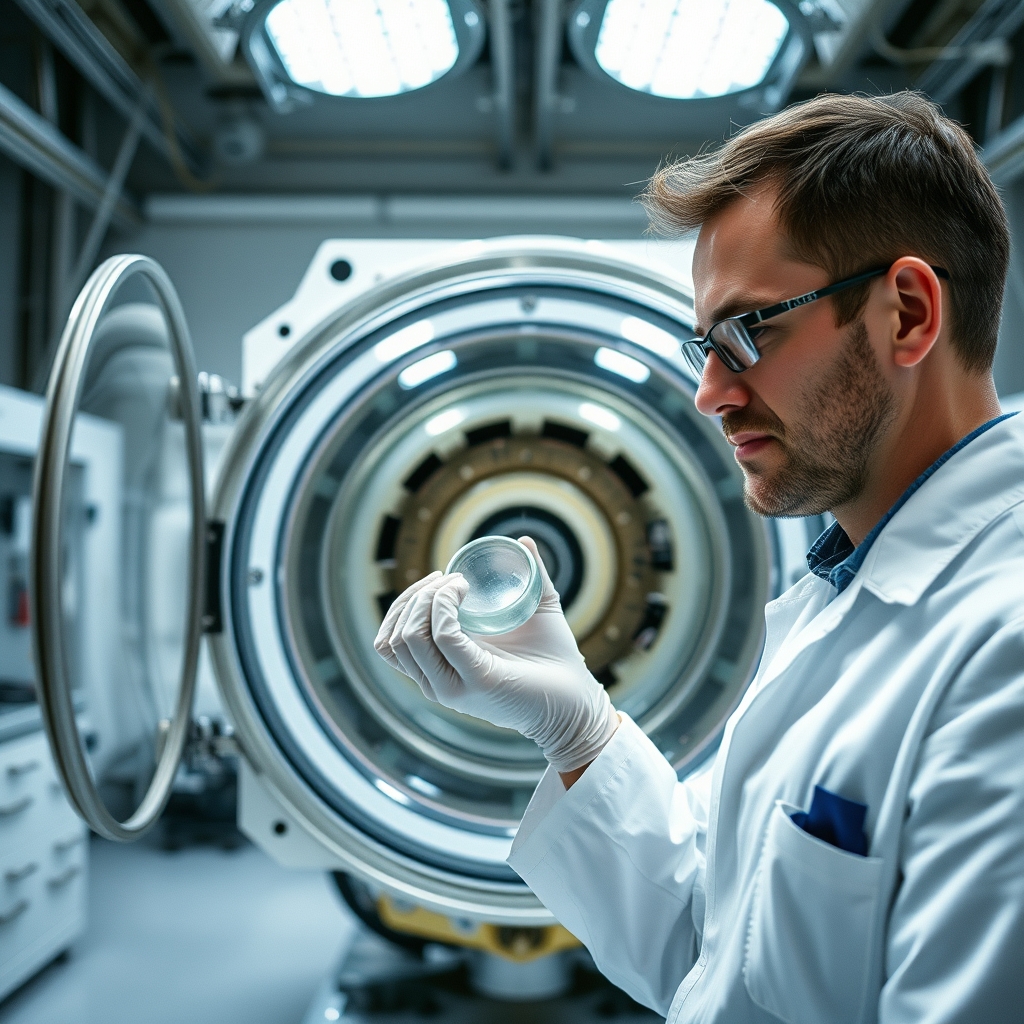
According to ESA Space Engineering & Technology, the ESA‑RAL Advanced Manufacturing Laboratory on Harwell’s campus celebrated ten years of operation on 14 October 2026. The lab’s milestone highlights a growing European capability to test and qualify materials for tomorrow’s space missions, and it signals a shift toward next‑generation 3D printing and in‑space fabrication.
Celebrating a Decade of Space Materials Innovation
The laboratory opened in 2016 as a joint effort of the European Space Agency, the Rutherford Appleton Laboratory and the UK’s Science and Technology Facilities Council. Over ten years it has amassed more than 25 cutting‑edge testing systems, completed over 150 projects, and partnered with 40 industrial collaborators. The output includes more than 15 scientific publications and hands‑on training for a dozen trainees, interns and graduate researchers. These figures illustrate how a single facility can become a hub for both technology development and workforce skill‑building.
Core Capabilities and Success Stories
The lab’s portfolio spans three main activity areas:
- Materials characterisation – advanced powder analysis, mechanical testing, and thermal‑vacuum cycles that mimic the harsh space environment.
- Additive manufacturing support – verification of 3‑D‑printed components, especially metal alloys for propulsion tanks and structural parts.
- Electronics verification – testing of radiation‑hard electronics for ESA’s quantum‑telecommunications programme and other missions.
Key milestones include:
- Supplying data for lightweight propulsion tanks on the M‑Argo CubeSat, a mission designed to inspect asteroids.
- Providing test results for electronics used in ESA’s quantum‑telecommunications experiments, which aim to demonstrate secure communications from orbit.
- Characterising stainless‑steel specimens that were 3‑D printed aboard the International Space Station, proving that additive manufacturing can work in microgravity.
These achievements have helped European companies move concepts through the “bread‑board‑to‑flight” gap faster, reducing the time and cost of qualifying new hardware.
The Road Ahead: Next‑Generation 3D Printing and In‑Space Fabrication
Entering its second decade, the lab plans to expand its focus on state‑of‑the‑art materials produced by emerging 3‑D printing techniques. The roadmap mentions three priority strands:
| Focus Area | Current Capability | Planned Expansion |
|---|---|---|
| Smart Manufacturing | 25 testing systems, routine powder and metal testing | Additive‑manufacturing metrology for multi‑material prints, real‑time monitoring |
| Advanced Electronics | Electronics assembly verification for ESA programmes | Qualification of quantum‑grade components, higher‑frequency RF testing |
| In‑Space Fabrication | Support for ISS‑based prints | Simulated microgravity testing rigs, qualification of on‑orbit assembly processes |
The table shows that while the lab already offers broad material testing, the next phase will bring in‑situ monitoring tools and simulation environments that mimic the low‑gravity conditions of future missions. This shift is driven by the European Space Agency’s ambition to launch long‑duration missions that may need to repair or build structures far from Earth.
What the New Focus Means for the European Space Industry
The push toward next‑generation printing and in‑space fabrication creates a clear trade‑off. On one hand, companies that can adapt to the new testing protocols will gain early access to certification pathways, shortening the gap between prototype and flight‑ready hardware. On the other hand, firms that rely on legacy manufacturing may find themselves sidelined as ESA favours suppliers with validated additive‑manufacturing processes. The lab’s expanded capabilities will also demand more specialised expertise—materials scientists familiar with functionally graded alloys, and engineers adept at interpreting real‑time sensor data from printing heads. In practice this usually means that small‑to‑medium enterprises will need to invest in training or partner with research institutions to stay competitive.
Stakeholders should watch two developments closely: the rollout of the lab’s microgravity test rigs (expected in 2027) and the publication of new ESA material‑qualification standards that will embed additive‑manufacturing criteria. Both will set the technical bar for upcoming missions such as the Lunar Gateway and the Europa Clipper, where repairable or up‑gradable components are a design requirement.
Practical Steps for Companies and Researchers
- Map your current processes against the lab’s announced capabilities; identify gaps in powder analysis or thermal‑vacuum testing that could become bottlenecks.
- Engage early with the lab’s outreach programmes. The facility offers short‑term testing contracts and mentorship for PhD projects, which can accelerate proof‑of‑concept work.
- Invest in training on smart‑manufacturing data streams. Understanding how to interpret in‑situ sensor data will be a prerequisite for certification under the new standards.
- Monitor ESA releases for the forthcoming qualification documents; align your design reviews with those criteria to avoid costly redesigns later.
- Leverage the network of 40 industrial collaborators already active at the lab. Joint proposals often receive priority funding from the UK’s Science and Technology Facilities Council.
By treating the lab’s ten‑year anniversary as more than a celebration—seeing it as a roadmap for the next wave of space manufacturing—European firms can turn a testing facility into a strategic partner for future missions.