Proba‑3’s artificial eclipse shines ahead of Europe’s August 12 totality
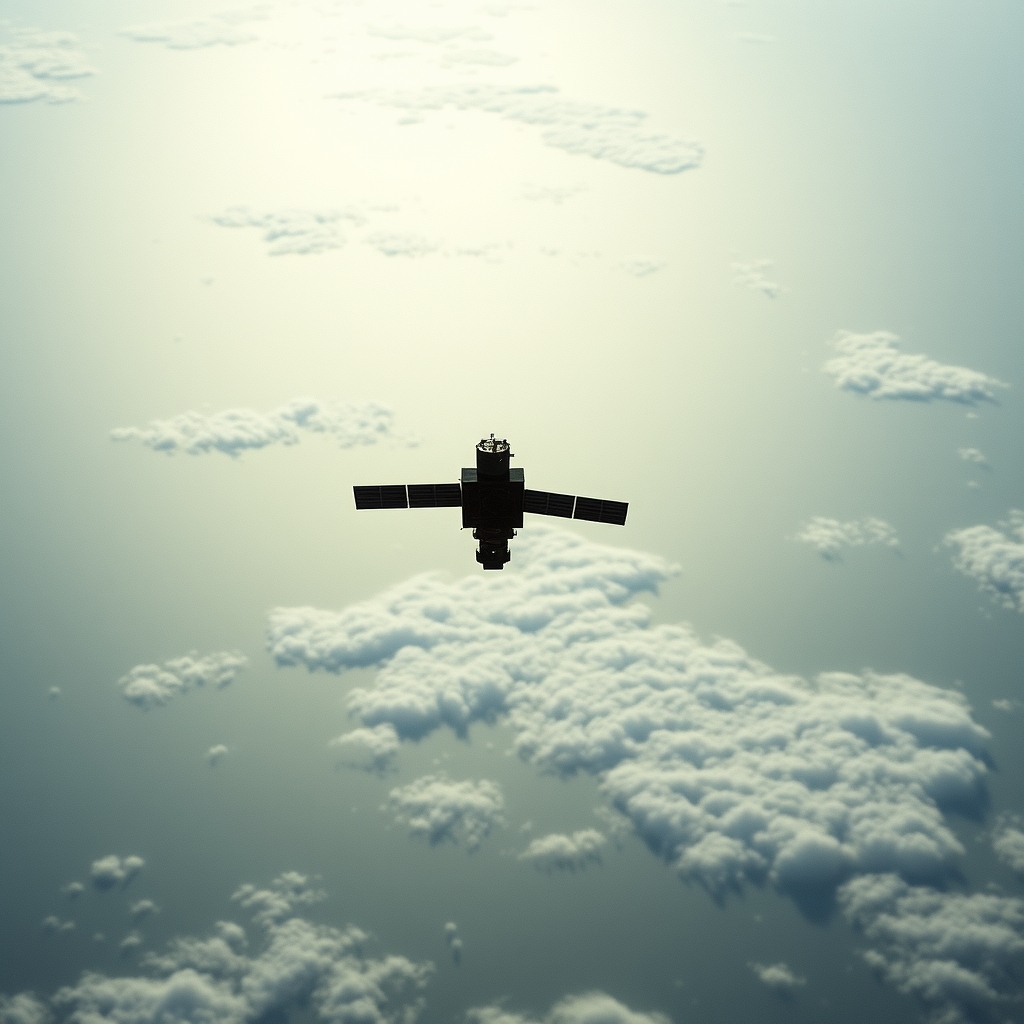
On 12 August 2026, while parts of Europe watched a natural total solar eclipse, ESA’s Proba‑3 satellites produced an artificial eclipse in space for the 65th time. The experiment gave scientists an uninterrupted view of the Sun’s inner corona hours before the Moon’s shadow arrived, and a brief “double eclipse” occurred when the Moon crossed the spacecraft’s line of sight.
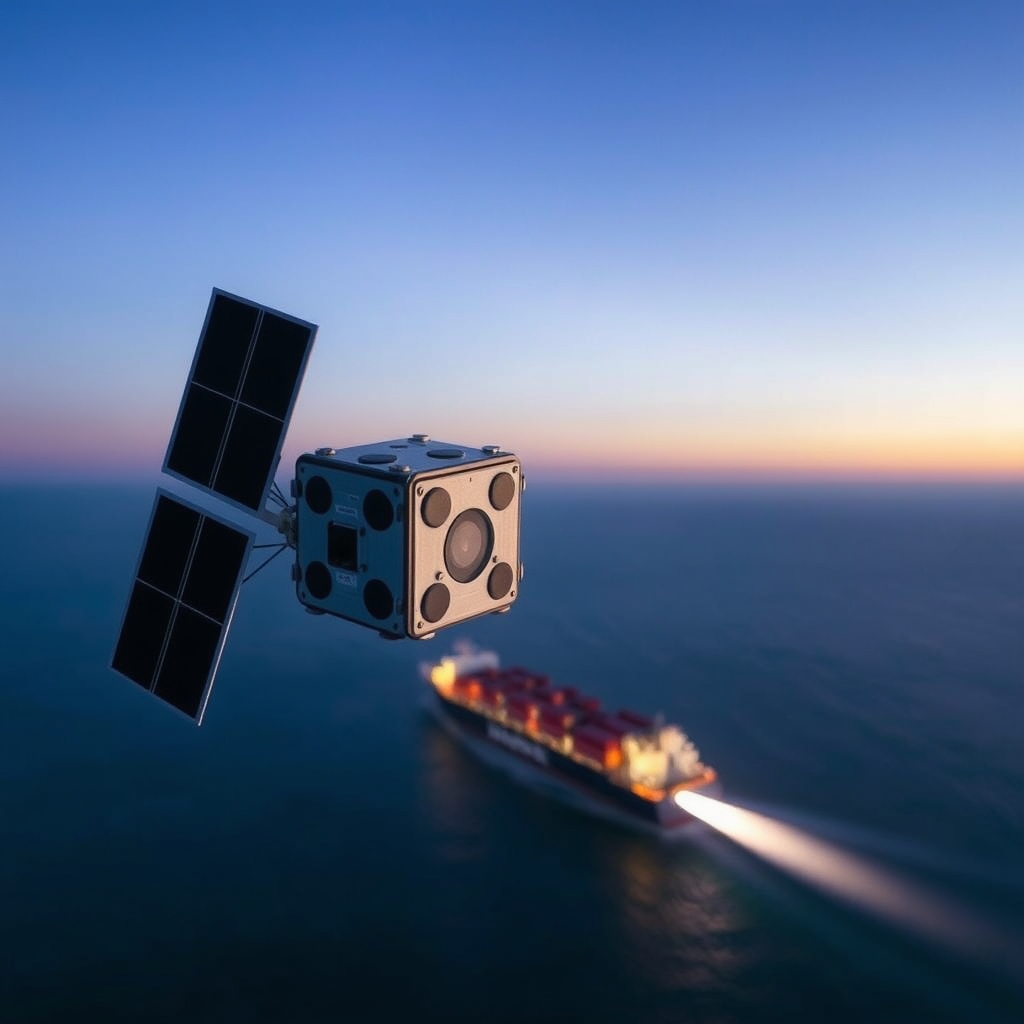
According to ESA Space Engineering & Technology, the two spacecraft fly 150 m apart at an altitude of 60 000 km, with the front unit acting as an occulter that blocks the solar disc for the rear coronagraph.
How Proba‑3 creates an artificial eclipse
The occulter spacecraft carries a circular black disk exactly sized to match the Sun’s apparent diameter at 60 000 km. When the two spacecraft line up, the occulter blocks the bright solar photosphere, allowing the coronagraph on the second spacecraft to record the faint corona without stray light. This formation‑flying arrangement mimics a miniature Moon‑Earth‑Sun geometry, but the distance between the two craft (150 m) is tiny compared with the natural Moon‑Earth distance (384 000 km). The result is a clean, stable artificial eclipse that can last for several hours because the spacecraft maintain their alignment using autonomous thrusters and GPS‑like navigation.
The August 12 double eclipse
Just after the artificial eclipse image was taken, the real Moon moved across the field of view of Proba‑3, producing a brief “double eclipse.” For a few seconds the coronagraph saw the Sun blocked first by the occulter and then by the Moon, offering a rare chance to compare the two methods directly. The natural eclipse on the ground began a few hours later, after the Sun’s inner corona rotated halfway around its axis—a process that takes roughly two weeks. The earlier observation by Proba‑3 therefore served as a preview of what ground‑based observers would see.
Why artificial eclipses matter for solar science
Natural eclipses are unpredictable in location and brief, typically lasting only a few minutes at any given site. By contrast, Proba‑3 can schedule eclipses at will, position the occulter exactly where needed, and keep the Sun hidden for hours. This extended observing window lets researchers capture dynamic events in the corona—such as the onset of coronal mass ejections (CMEs) and fine‑scale magnetic structures—that would be missed during a natural eclipse.
| Feature | Natural Moon eclipse | Proba‑3 artificial eclipse |
|---|---|---|
| Duration of totality (per observer) | 2–7 minutes | Up to several hours |
| Shadow size on Earth | ~100 km wide | No shadow on Earth |
| Frequency | Depends on orbital geometry (≈ 2 per year globally) | Controlled; 65 times by Aug 2026 |
| Predictability | Fixed by celestial mechanics | Planned by mission operations |
| Observation platform | Ground‑based telescopes, airborne flights | Dedicated coronagraph spacecraft |
The table shows the practical advantages of an artificial eclipse for continuous corona studies, while also highlighting that the technique does not provide a ground‑level shadow for public viewing.
The hidden trade‑offs of formation‑flying coronagraphs
The benefits come with a set of constraints that the original report does not spell out. Maintaining a 150 m separation at 60 000 km requires constant micro‑thruster firings, which consumes propellant and limits the mission’s lifetime. Any drift beyond a few centimetres can re‑introduce stray light, degrading image quality. Additionally, the occulter blocks only a narrow field of view; if the Sun’s activity shifts beyond that window, the coronagraph must re‑align, adding operational complexity. Finally, because the artificial eclipse occurs far from Earth, the data must be downlinked to ground stations, introducing latency that can delay real‑time space‑weather alerts.
In practice this usually means that artificial eclipses are best suited for detailed scientific campaigns rather than continuous monitoring. Researchers must weigh the longer exposure against the finite fuel budget and the need for precise navigation. For agencies planning future missions, the trade‑off suggests focusing on more efficient propulsion (e.g., electric thrusters) or developing larger occulter‑coronagraph separations that reduce propellant use.
What you can do today
If you are an amateur astronomer, sign up for ESA’s live‑stream of the Proba‑3 coronagraph data; the images are released in near‑real time and can complement your own eclipse observations. For educators, the artificial eclipse image released on 12 August provides a clear illustration of how a coronagraph works—use it in classroom demos to explain why scientists block the solar disc. Finally, keep an eye on ESA’s upcoming formation‑flying projects, such as the planned Lagrange‑point coronagraphs, which aim to extend the artificial‑eclipse concept with even longer observing periods.