Proba‑3 witnessed a double eclipse – what it means for solar research
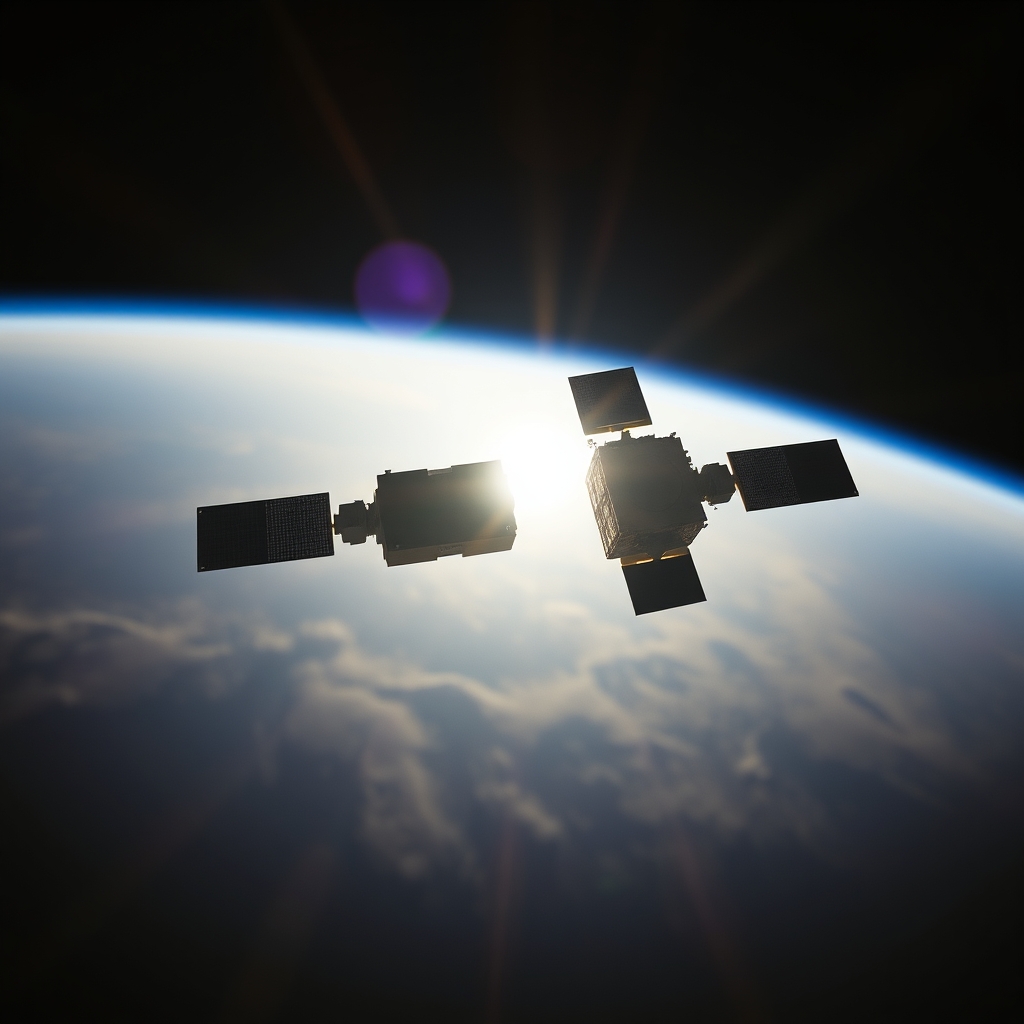
On 12 August 2026 a total solar eclipse swept across parts of Europe, but a pair of ESA satellites saw the event from a very different angle. For about nine minutes the natural Moon shadow overlapped the artificial eclipse created by Proba‑3, giving scientists an unprecedented view of the Sun’s corona.
The rare double eclipse captured by Proba‑3
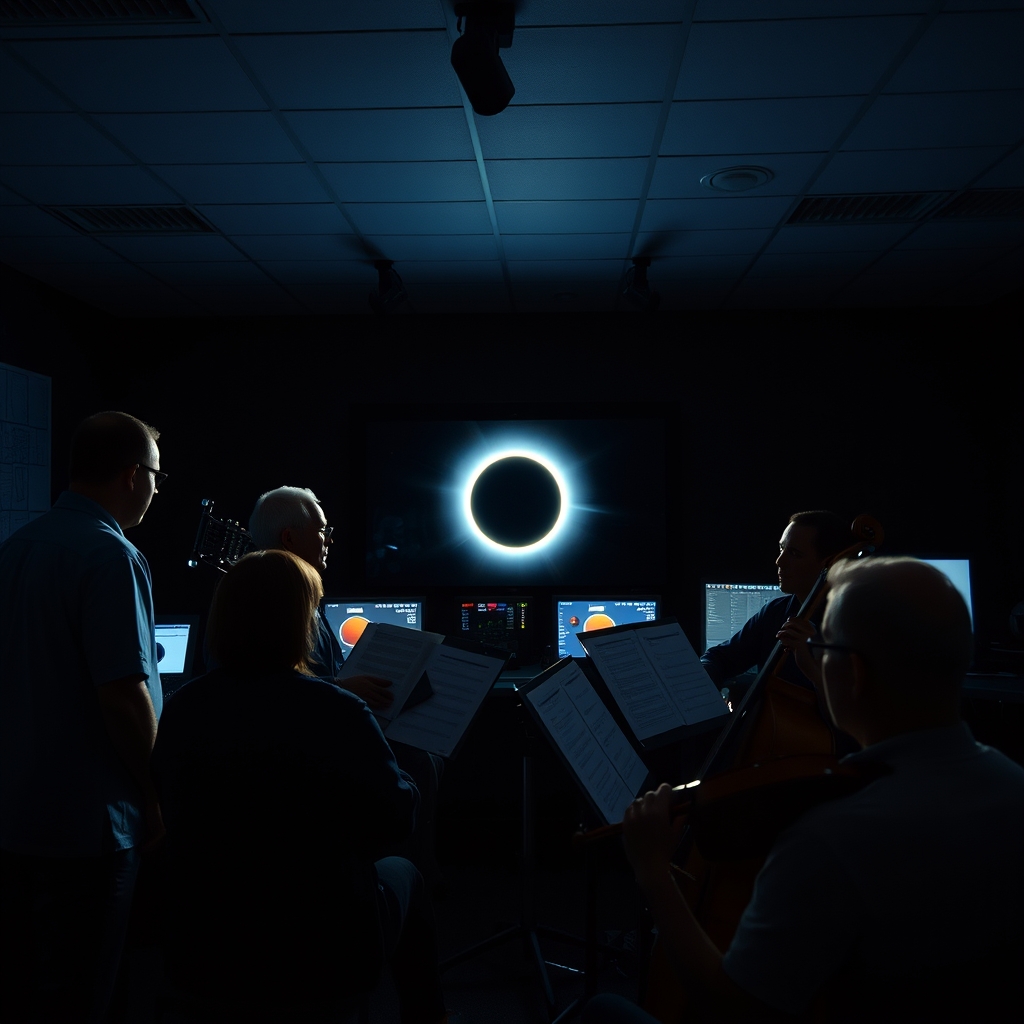
According to ESA Space Engineering & Technology, the Proba‑3 formation‑flight experiment recorded a sequence where the Moon crossed the field of view of the mission’s coronagraph, ASPIICS, while the Occulter spacecraft kept its own shadow on the Coronagraph spacecraft. The Moon’s disc covered the Sun for 8 min 40 s, longer than the maximum ground‑based totality of 2 min 18 s that day. During this time the coronagraph was essentially free from stray light caused by diffraction at the edge of the artificial occulter, allowing a brief but clean measurement of the solar corona.
How Proba‑3 creates its own artificial eclipse
Proba‑3 consists of two 100‑kg spacecraft flying 60 000 km apart in a precise formation. The leading vehicle, called the Occulter, blocks the Sun’s bright disk. The trailing vehicle, the Coronagraph, points its ASPIICS instrument at the Sun, now hidden behind the artificial Moon. Because the occulter is far enough away, the shadow it casts at the coronagraph’s location is slightly larger than the occulter’s own body, ensuring complete coverage. The formation is maintained by micro‑thrusters and a laser‑based navigation system that keeps the distance and alignment within a few centimetres.
What the natural eclipse added: longer totality and calibration boost
The Moon’s natural shadow added two benefits:
- Extended totality – the lunar disc was larger than the artificial occulter’s shadow at the coronagraph’s altitude, extending the darkness by almost six minutes.
- Calibration opportunity – with the Sun fully blocked, the coronagraph could be calibrated against a known zero‑light condition, improving the accuracy of its subsequent solar‑corona observations.
These conditions are rarely achievable in space because artificial occulters always leave a tiny amount of diffracted light. The double eclipse therefore acted like a laboratory‑grade test of the instrument’s optics.
| Aspect | Natural eclipse (ground) | Artificial eclipse (Proba‑3) | Combined double eclipse |
|---|---|---|---|
| Duration of totality | 2 min 18 s (max) | Up to several hours (depending on orbit) | 8 min 40 s |
| Shadow size at observer | Moon’s apparent diameter ~0.5° | Occulter’s shadow slightly larger than its body | Moon’s shadow larger than occulter’s shadow |
| Light contamination | Atmospheric scattering | Diffraction from occulter edge | Near‑zero stray light |
| Primary scientific use | Public outreach, basic solar corona imaging | High‑precision coronal studies | Precise calibration and high‑quality coronal data |
The trade‑off: limited opportunities versus high‑precision data
The double eclipse is a once‑in‑a‑lifetime event for Proba‑3. Its formation‑flight design is built to create a stable artificial eclipse for months, but natural lunar alignment occurs only when a total solar eclipse happens to pass over the spacecraft’s orbital plane. That coincidence is rare; the next two on‑ground total eclipses (2 August 2027 and 22 July 2028) will only produce partial overlaps, meaning the Moon will enter the field of view but not fully cover the solar disc. The trade‑off is clear: the mission gains a few minutes of ultra‑clean data, but the chance to repeat it is extremely limited. In practice this means mission planners will have to decide whether to devote valuable observation time to calibrations during these brief windows or to pursue regular coronal studies.
Looking ahead: future partial eclipses and mission timeline
Proba‑3 will continue operating until at least the end of 2028, with two scheduled partial‑eclipse events. During those, the Moon will graze the ASPIICS field, providing a chance to test the instrument’s response to a moving limb but not the full zero‑light condition. Scientists plan to use the partial events to refine models of stray‑light suppression rather than for absolute calibration. Beyond 2028, the mission’s artificial eclipse capability remains valuable for continuous coronal monitoring, especially during periods of low solar activity when natural eclipses are scarce.
What you can do today
If you follow solar research, keep an eye on the ASPIICS data releases from ESA’s open‑access portal; the double‑eclipse dataset will be uploaded in the coming months and includes raw and calibrated images. Amateur astronomers interested in eclipse photography can compare ground‑based photos from 12 August 2026 with the satellite images to see how diffraction and atmospheric scattering affect visual quality. Finally, mark the dates of the 2027 and 2028 total eclipses on your calendar—while Proba‑3 won’t see a full double eclipse then, coordinated observations between ground teams and the satellite could still yield useful cross‑validation data.