How ESA Bakes the Largest Mars Parachute to Prevent Forward Contamination
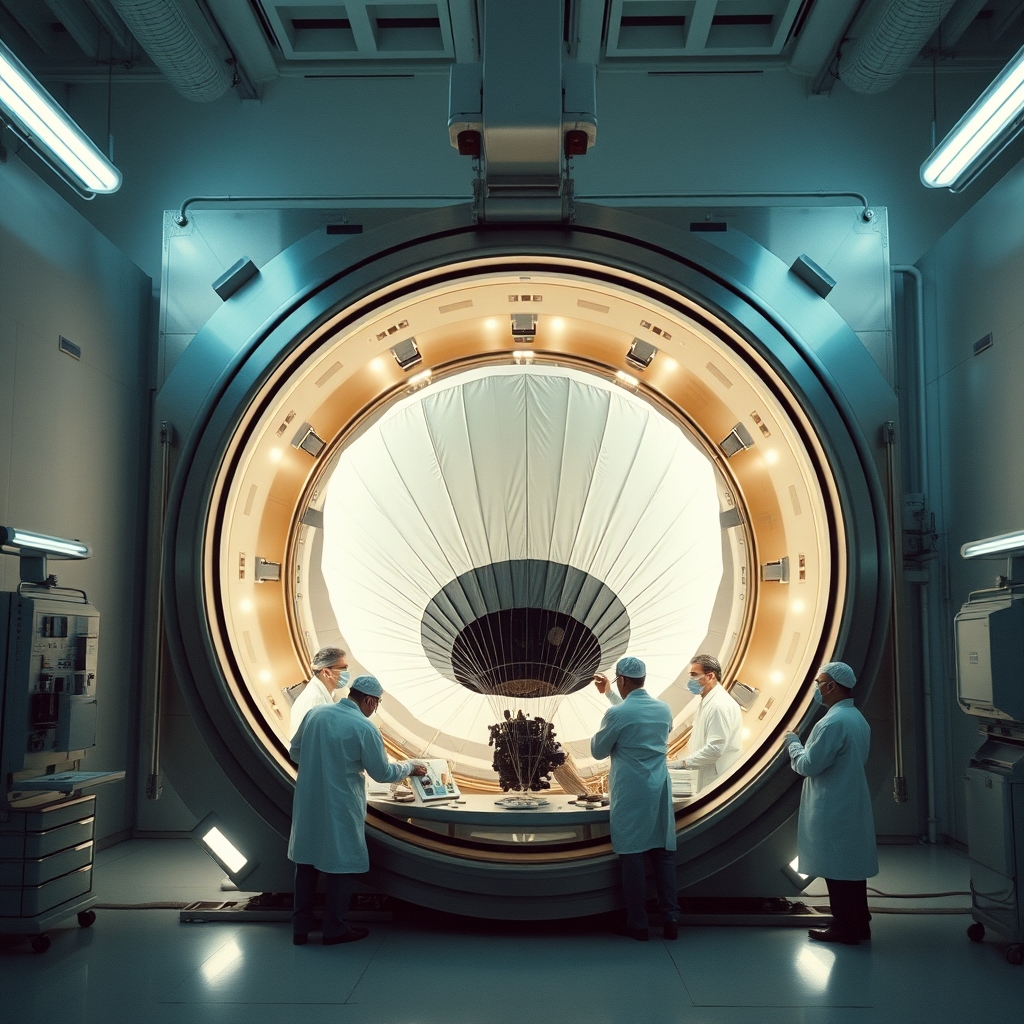
According to ESA Space Engineering & Technology, the 35‑metre parachute for the ExoMars Rosalind Franklin rover is being baked in a dry‑heat steriliser to reach a cleanliness level at least 10 000 times higher than a typical smartphone. This step is crucial because any Earth microbes hitching a ride could confuse the rover’s search for past or present life on Mars.
The Sterilisation Process Explained
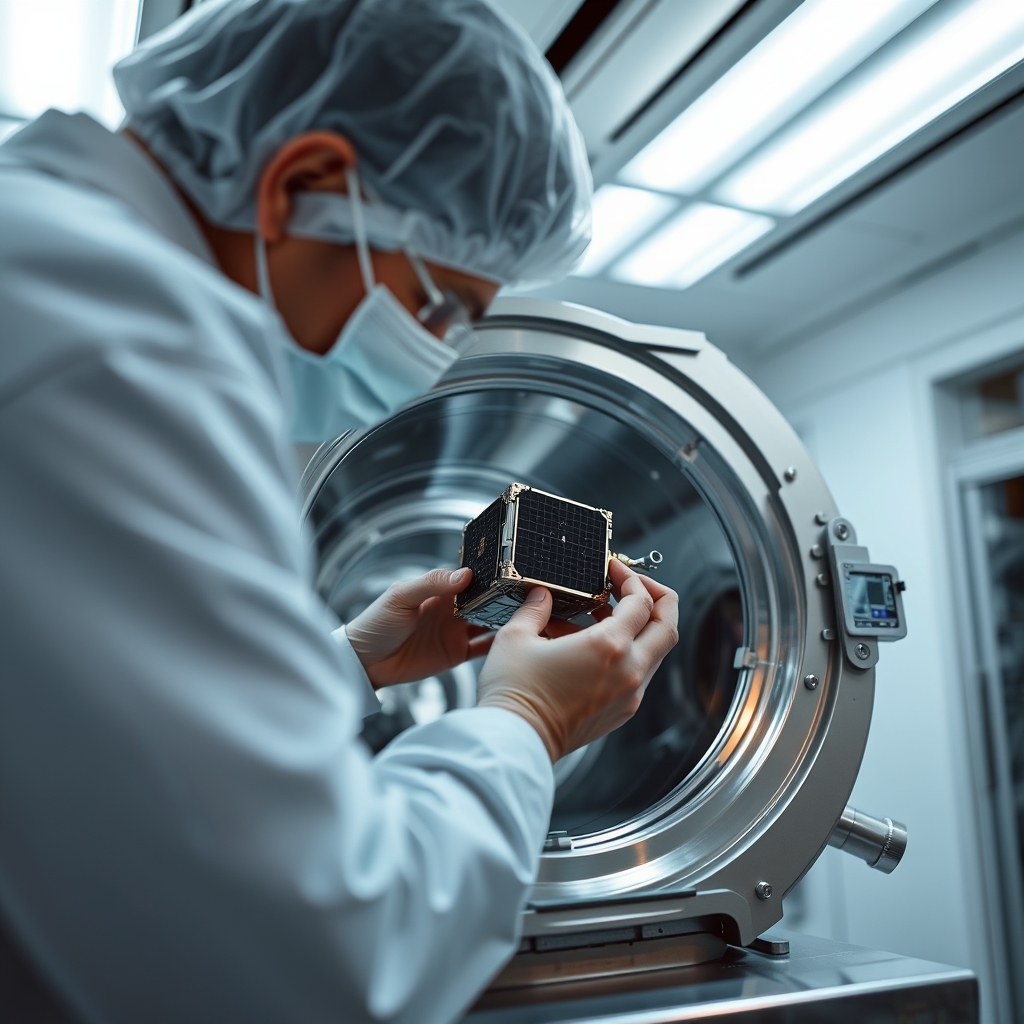
The parachute, weighing 74 kg and woven from nylon and Kevlar, sits inside a donut‑shaped bag before entering a specialised oven at ESA’s Life Support and Physical Sciences Laboratory in the Netherlands. The oven uses dry heat – no steam – to kill microorganisms. While the parachute is inside, the cleanroom’s air is continuously filtered through a two‑stage system that removes particles and microbes. Personnel must don garments more restrictive than a surgeon’s scrubs and pass through an air shower that blows off any remaining contaminants before they can enter the chamber. The six‑minute heating cycle is calibrated to destroy hardy spores without damaging the delicate fabric.
Why the Parachute Needs Extreme Cleanliness
Forward contamination describes the accidental transfer of Earth life to another planetary body. On Mars, a resilient microbe could survive the harsh surface conditions, multiply, and be mistaken for indigenous life by scientific instruments. The ExoMars mission aims to drill below the surface, where any false positive would undermine decades of research. International planetary protection policies therefore require that any hardware landing on Mars be sterilised to a level far beyond everyday consumer devices. The parachute’s required cleanliness – 10 000 times cleaner than a smartphone – reflects this stringent standard.
The Parachute’s Role in a Six‑Minute Descent
Once the rover separates from its cruise stage, the parachute deploys and must slow the craft during a six‑minute plunge through the thin Martian atmosphere. Its 35‑metre span makes it the largest parachute ever built for a non‑Earth mission, surpassing previous Mars landers that used smaller canopies. The larger surface area provides more drag, essential for reducing the rover’s touchdown speed to a safe level for its delicate scientific payload.
Comparison of Cleanliness Standards
| Item | Typical Cleanliness (relative) | Required Cleanliness for Mars Parachute |
|---|---|---|
| Smartphone | 1× (baseline) | 10 000× |
| ExoMars Parachute | — | 10 000× |
The table shows the parachute must be cleaned to a level ten thousand times higher than the average phone, highlighting the extraordinary precaution taken for planetary protection.
What the Sterilisation Means for the Mission (Analysis)
The sterilisation step does not merely satisfy a bureaucratic checkbox; it directly influences the scientific credibility of the rover’s findings. By eliminating forward contamination, ESA reduces the risk that any detected organic molecules are Earth‑origin, preserving the integrity of life‑search experiments. The trade‑off is that the bake‑out adds mass, time, and cost to the preparation phase, and it imposes strict handling protocols that limit how many times the parachute can be inspected after sterilisation. In practice, this usually means a single, final integration of the parachute with the descent system, after which the assembly is sealed until launch. The benefit—clean data—outweighs the logistical burden for a mission whose primary goal is astrobiology.
Practical Takeaways for Hobbyists and Professionals
If you work with hardware destined for planetary environments, adopt a cleanroom mindset: filter air, use gowning protocols, and consider dry‑heat baking for polymer components. For educators, the parachute story provides a concrete example of how planetary protection policies translate into engineering actions. Even small labs can mimic the approach by using filtered enclosures and heat‑treating non‑critical parts to demonstrate sterilisation concepts.
Looking Ahead
The Rosalind Franklin rover will launch in 2028 and spend over 25 months traveling to Mars. Its parachute will be the first of its size to operate beyond Earth, offering data on large‑scale canopy dynamics in a thin atmosphere. Future missions that aim to return samples or search for life will likely adopt similar or even stricter sterilisation regimes. Watching how the parachute performs will inform design choices for the next generation of Mars landers and possibly for missions to icy moons where contamination concerns are even higher.