Laser‑Powered Graphene Aerogel Thrusters: First Tests in Microgravity
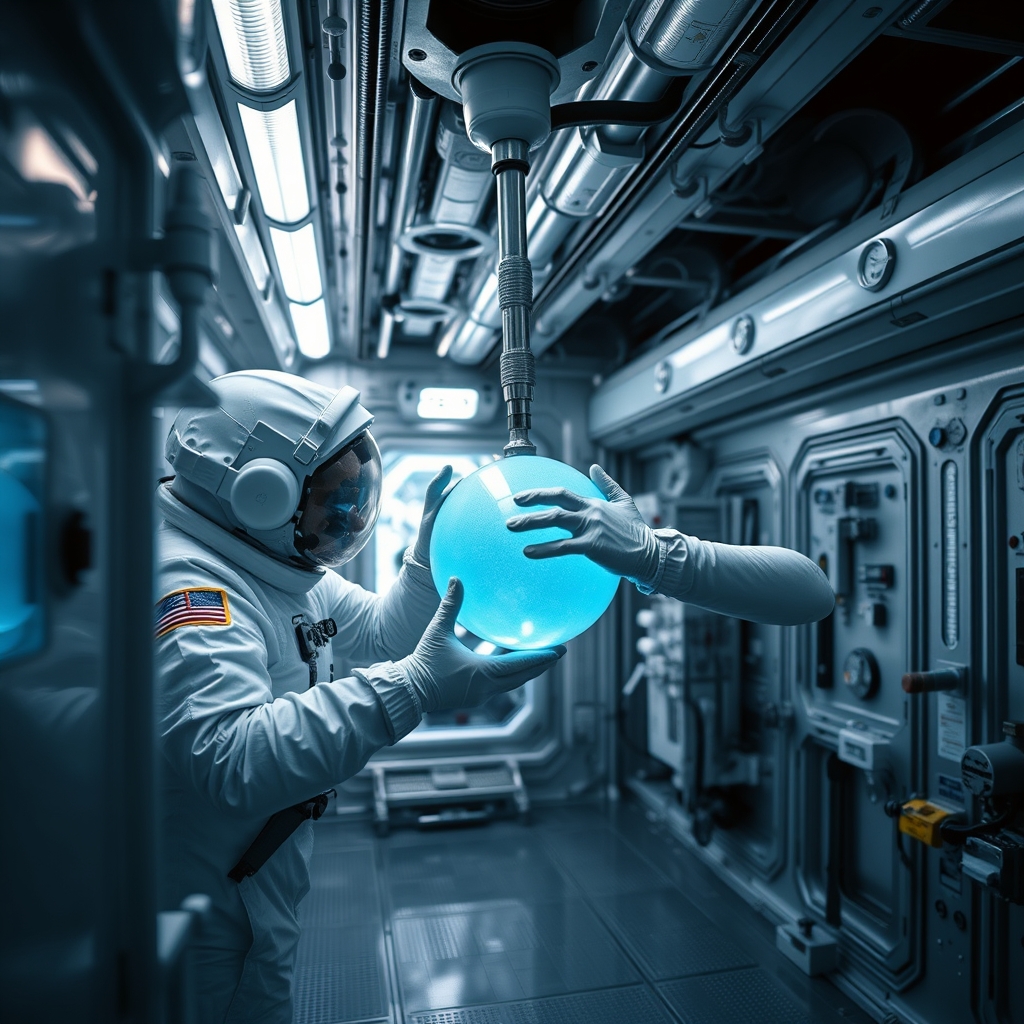
In May 2025 an international team flew a parabolic‑flight campaign to fire lasers at tiny blocks of graphene aerogel in weightlessness. The cubes jumped forward the moment the light hit them, a behaviour that vanished under normal Earth gravity. If the effect scales, a laser‑driven thruster could become a lightweight way to steer satellites or solar sails.
How the experiment was set up
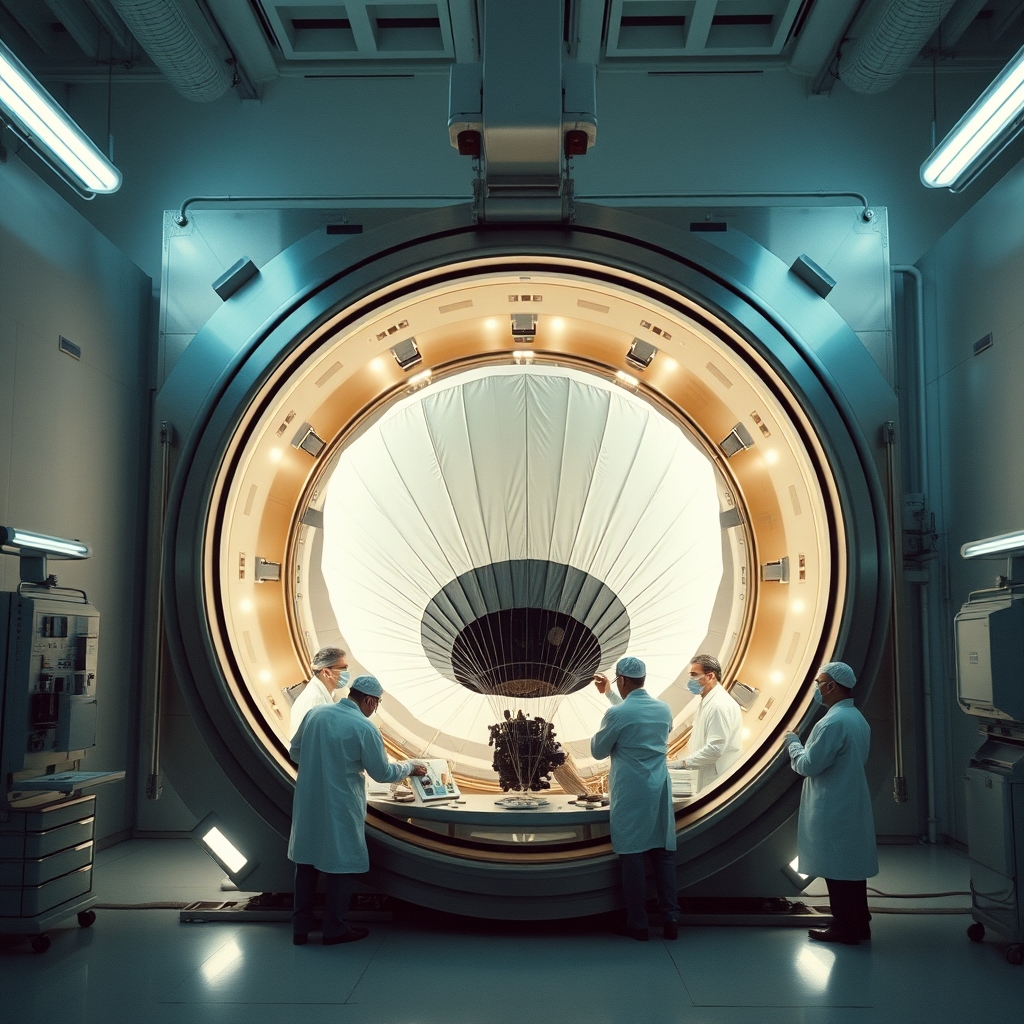
The test rig sat inside a sealed vacuum chamber mounted on the aircraft. Three cubic samples of graphene aerogel—ultralight, highly porous material that combines graphene’s excellent electrical conductivity with the solid‑yet‑fluffy structure of an aerogel—were placed on transparent tubes. A continuous‑wave laser illuminated each cube while a high‑speed camera filmed the reaction through the glass. The video was later slowed down tenfold; each laser pulse lasted only 30 milliseconds.
What the laser did to the graphene aerogel
When the laser beam struck the aerogel in the micro‑gravity phases of the flight, the cubes shot forward “instantly,” according to the ESA video. The researchers observed that increasing the laser’s power produced a larger acceleration, meaning the thrust can be tuned simply by adjusting the light intensity. By contrast, the same laser exposure under Earth’s gravity moved the samples only imperceptibly, showing that weight dramatically suppresses the effect.
Why microgravity matters
| Condition | Observed motion | Reason given in the study |
|---|---|---|
| Micro‑gravity (parabolic flight) | Immediate forward thrust; acceleration grows with laser power | With no weight to overcome, the light‑induced pressure can accelerate the ultralight material directly |
| Normal Earth gravity | Barely any movement despite identical laser settings | Gravity provides a constant opposing force that dwarfs the tiny photon pressure on the aerogel |
The experiment demonstrates that a near‑vacuum environment and the absence of a strong gravitational pull unlock the propulsion potential of graphene aerogels. In space, where both conditions naturally exist, the same laser‑aerogel interaction could generate measurable thrust.
Practical trade‑offs and next steps
The headline result is clear: a laser can push an ultralight graphene structure without any moving parts. The trade‑off, however, lies in the energy budget. A continuous laser capable of delivering enough photon pressure to move a satellite will consume a significant portion of the spacecraft’s power supply, especially for larger manoeuvres. Scaling the effect from a few‑centimetre cube to a satellite‑scale sail also raises questions about material durability; prolonged exposure to high‑intensity light could degrade the aerogel’s porous network.
Another hidden cost is the requirement for a line‑of‑sight laser source. Unlike chemical thrusters that fire in any direction, a laser‑driven system must keep the beam aimed at the target surface, limiting manoeuvre flexibility unless the spacecraft carries an onboard laser. Integration with existing satellite buses therefore demands careful thermal management and precise pointing mechanisms.
What we would watch next are two fronts: (1) power‑efficiency studies that quantify how many watts of laser light translate into usable thrust per kilogram of aerogel, and (2) long‑duration tests that expose the material to repeated laser pulses in a true space vacuum. Successful results on both counts could make laser‑propelled graphene aerogels a niche but valuable option for fine‑tuning the orbit of small satellites or adjusting the attitude of solar sails.
What engineers can try today
- Prototype a ground‑based test – Build a small vacuum chamber, mount a graphene‑aerogel cube, and use a low‑power diode laser. Measure the displacement with a laser‑range sensor to get a baseline thrust figure.
- Model the power‑to‑thrust ratio – Use the simple relation (F = P/c) (force equals laser power divided by the speed of light) to estimate the minimum laser power needed for a desired acceleration, then compare it with the satellite’s available power budget.
- Assess thermal loading – Run a thermal simulation of the aerogel under continuous laser illumination to see whether the material’s temperature stays within safe limits.
- Explore pointing solutions – Investigate compact gimbal systems or micro‑electromechanical mirrors that could keep the laser aimed at a moving target without adding excessive mass.
By starting with these low‑cost experiments, engineers can decide whether the laser‑aerogel concept offers a practical supplement to reaction wheels, electric thrusters, or traditional chemical rockets.