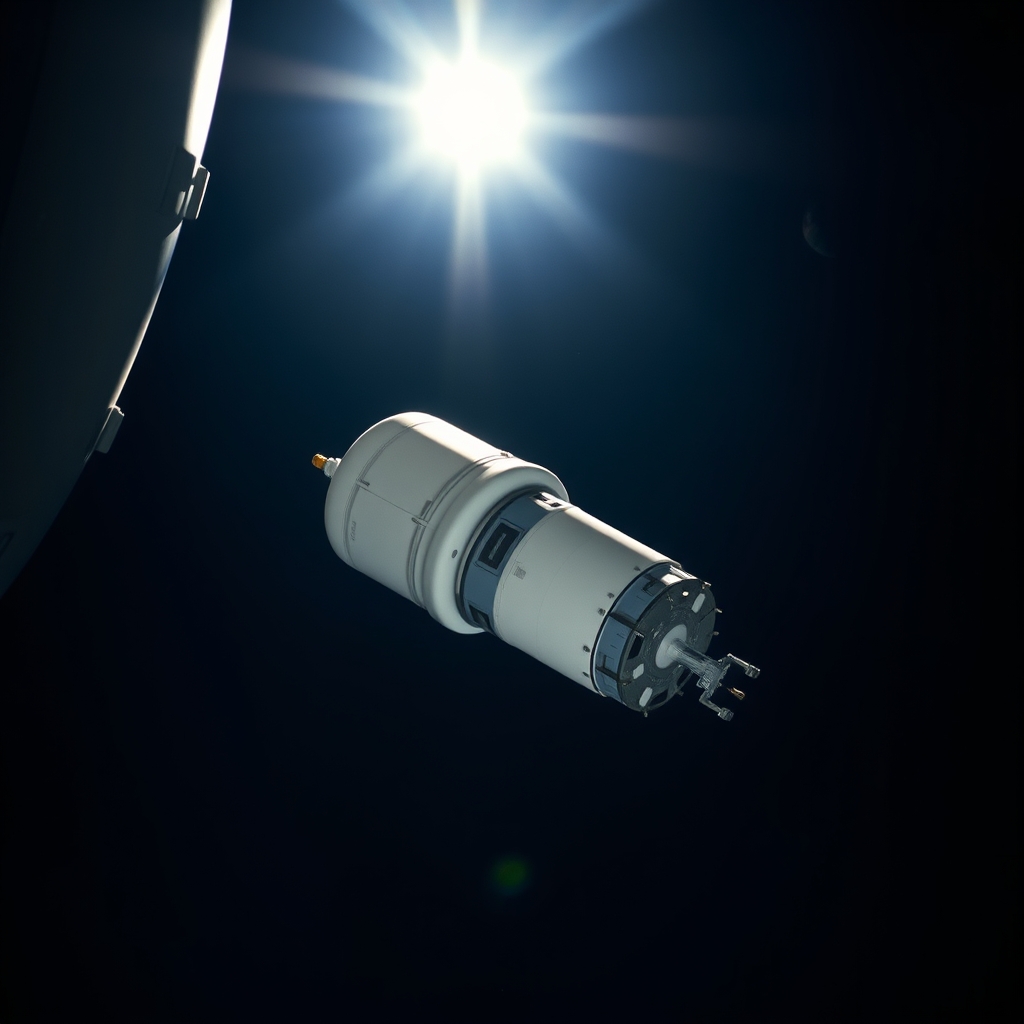
BepiColombo’s Mercury Transfer Module separates – what the split means for the mission
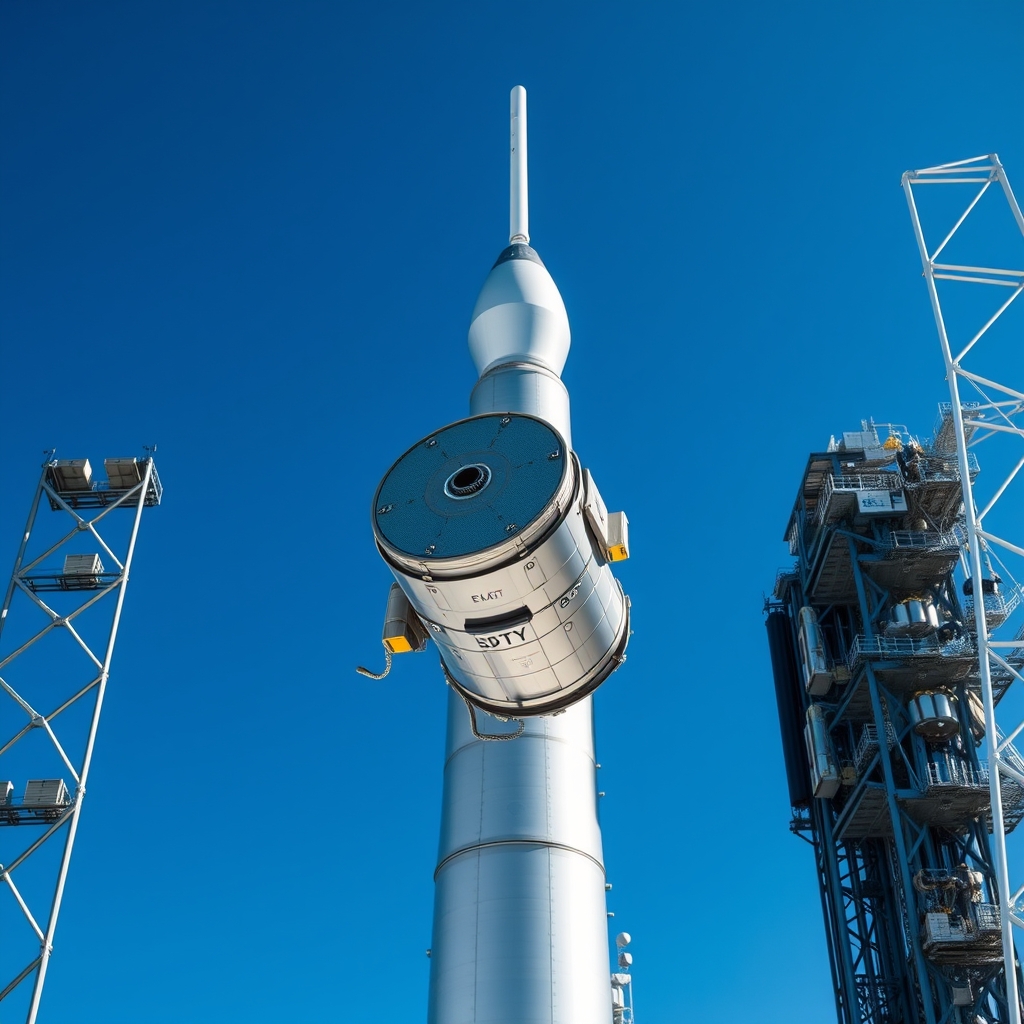
On 3 September 2026 ESA‑JAXA’s BepiColombo mission performed a critical maneuver: the Mercury Transfer Module (MTM) detached from the rest of the spacecraft after eight years of travel through the inner Solar System. The split marks the start of one of the most intricate planetary‑arrival sequences ever attempted, and the live feed from ESOC let the world hear the first post‑separation signal.
Livestream schedule – what viewers saw
| Time (CET) | Event |
|---|---|
| 13:45 | Livestream begins |
| 14:00 | MTM separation |
| 14:30 | Livestream pause |
| 15:30 | Livestream resumes |
| 15:53 | Earliest possible acquisition of signal and spacecraft status check |
| 16:00‑16:45 | End of livestream |
The timetable shows how ESA built in buffer periods for engineering checks and for the inevitable signal‑delay when a spacecraft moves from a few million kilometres to just a few hundred thousand kilometres from Earth.
Why the MTM separation matters
BepiColombo consists of two stacked parts: the Mercury Transfer Module, which provides the thrust needed to reach Mercury’s orbit, and the Mercury Planetary Orbiter (MPO), the science platform that will study the planet’s surface and magnetic field. The MTM’s job ends once it has delivered the MPO into the final Mercury‑bound trajectory. Detaching the MTM eliminates the mass that would otherwise keep the MPO from performing the precise orbital insertions required near the Sun’s deep gravity well.
Removing the dead weight also reduces the risk of fuel contamination and thermal interference. The MPO can now use its own onboard thrusters without having to compensate for the MTM’s larger inertia.
How the separation works
The MTM and MPO are connected by a series of latch mechanisms and a small set of separation bolts. When the command is issued, tiny pyrotechnic charges fire, breaking the bolts in a fraction of a second. Simultaneously, spring‑loaded pushers give the MPO a gentle nudge, ensuring a clean, divergence‑free path. After the latch releases, the MTM fires a short thruster burst to move away, preventing any accidental re‑contact.
Engineers monitor the event with high‑frequency telemetry. The first signal the ground team expects after separation is a health‑check packet from the MPO’s onboard computer, confirming that power, communications, and attitude‑control subsystems are operating nominally.
Analysis: The hidden trade‑off of splitting the spacecraft
The decision to split the spacecraft introduces a classic risk‑reward balance. On the plus side, shedding the MTM lets the MPO achieve the fine‑tuned orbital maneuvers needed to survive Mercury’s intense solar radiation and to enter a low‑altitude science orbit. On the downside, the separation itself is a single‑point failure: a stuck latch or a mis‑fired pyrotechnic charge could leave the MPO tethered to a heavy, fuel‑starved module, making the subsequent orbit‑insertion burns impossible.
In practice this means engineers spent years qualifying the latch mechanism under extreme thermal cycles and vibration loads, accepting a small but non‑zero probability of failure in exchange for the orbital precision the MPO requires. The trade‑off is not about cost – the hardware is already built – but about mission reliability versus scientific return. If the MTM fails to separate, the mission would still have reached Mercury, but the science payload would be unable to fulfill its primary objectives.
What to watch next
The separation is only the first act of a multi‑stage arrival. Over the next few weeks the MPO will perform a series of deep‑space manoeuvres called “orbital correction burns” to lower its perihelion (closest point to the Sun) and match Mercury’s orbital speed. After that, a final Mercury‑orbit insertion burn will place the spacecraft into a highly elliptical orbit, from which it will gradually circularise.
Future ESA press releases will likely detail the exact timing of these burns, the health‑check results from the MPO, and any adjustments made to the flight plan based on early telemetry. Keeping an eye on the ESOC live‑stream schedule and the ESA news portal will give the public real‑time insight into each step.
How you can follow the mission today
- Bookmark the ESA BepiColombo page and enable notifications for new posts.
- Follow ESA’s @ESA_Official and @JAXA_en Twitter accounts for instant updates on signal acquisitions and upcoming manoeuvres.
- If you have a radio‑astronomy hobby, consider tuning into the 8 GHz downlink band during the scheduled signal‑acquisition windows; amateur‑ground stations often rebroadcast the raw telemetry.
- Sign up for ESA’s newsletter to receive a concise weekly recap of mission milestones.
By staying connected you’ll catch the next critical moments – the MPO’s first Mercury‑orbit insertion burn and the start of the science campaign that will finally reveal the planet’s hidden magnetic secrets.