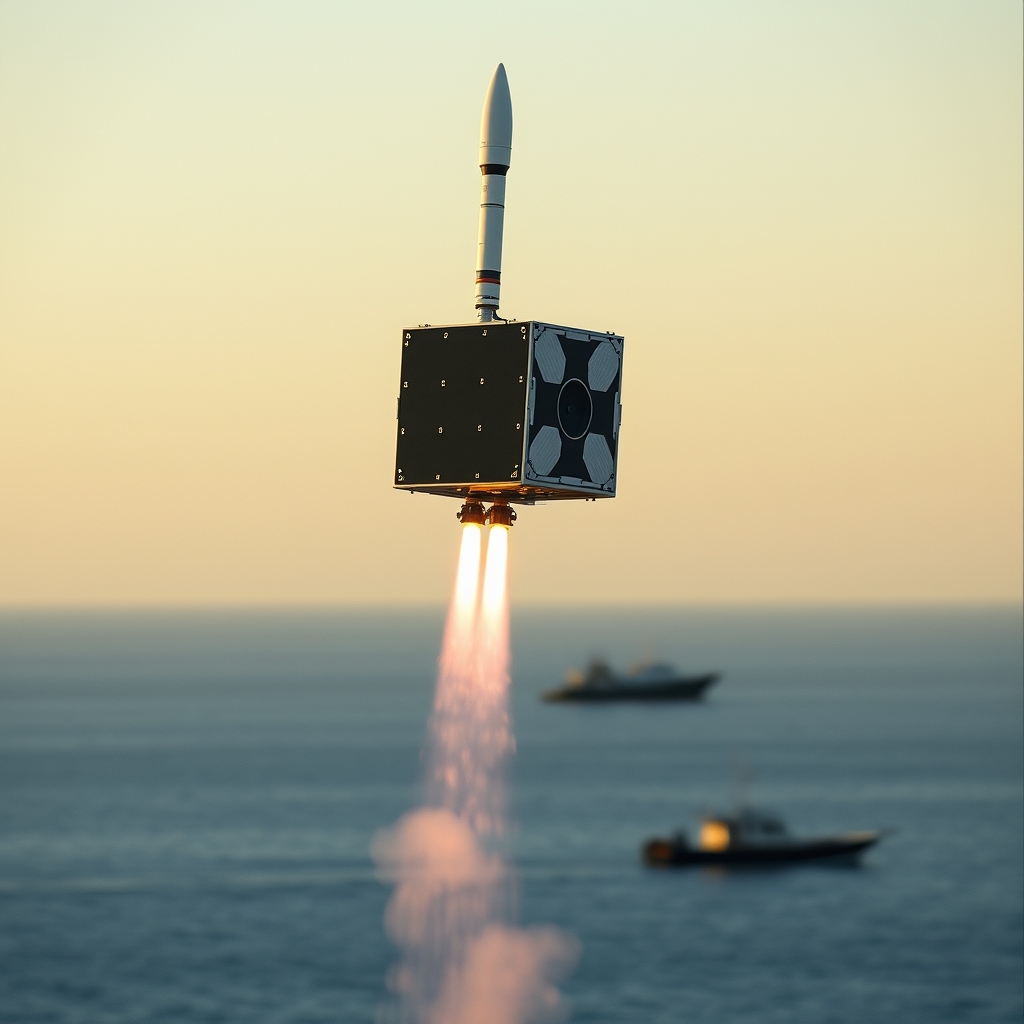
MMX Set to Launch: First Sample Return from Mars’s Moon Phobos
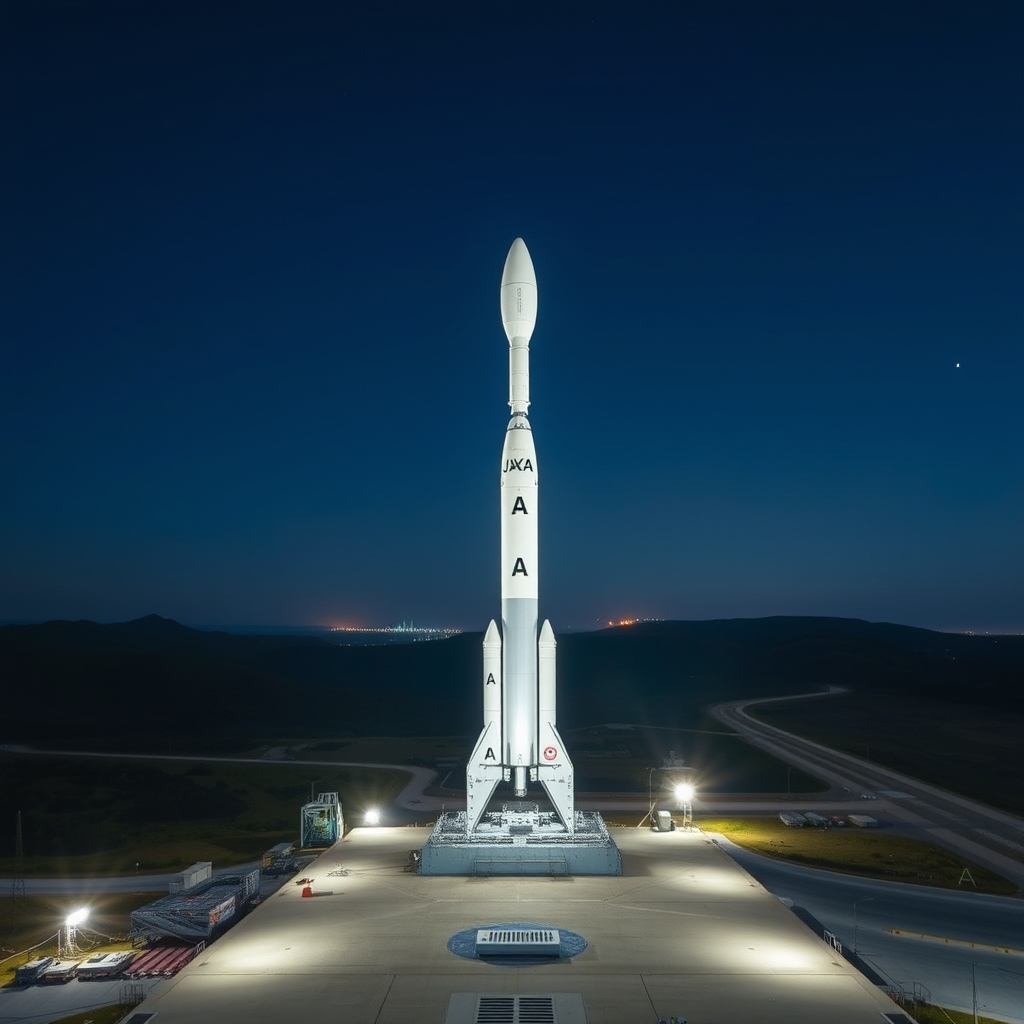
According to ESA Space Science, the Martian Moons eXploration (MMX) mission will lift off on a JAXA H3 rocket from Tanegashima at 04:41 JST on 20 October 2026 (20:41 BST / 21:41 CEST on 19 October). MMX will be the first spacecraft to orbit a Mars moon, land on Phobos, collect surface material and bring at least ten grams back to Earth.
Mission Overview
MMX is a joint effort led by JAXA with NASA, CNES (France), DLR (Germany) and ESA. The spacecraft will spend about a year cruising to Mars, enter orbit in August 2027, and begin a phased study of Phobos and Deimos. A 25‑kg rover named Idefix will be released in early 2029 to scout the landing site and analyse the regolith. In 2030 the main probe will touch down on Phobos, drill, and load the sample into a return capsule that will re‑enter Earth’s atmosphere in 2031, landing in Australia before transfer to Japan for distribution.
Why Phobos Matters
Phobos and its sibling Deimos are the only moons of a planet other than Earth that we have never visited up close for an extended period. Their origin is still debated: they could be captured asteroids, or debris from a massive impact that ejected material into orbit around Mars. Samples from Phobos would carry a chemical fingerprint of that event, helping to decide between these scenarios. Moreover, Phobos material may preserve a record of early Martian conditions, offering clues about the planet’s habitability and, by extension, the formation of terrestrial worlds.
Technology for Ultra‑Low Gravity
Phobos’s surface gravity is about 0.005 g, meaning a 25‑kg rover feels like a 15‑gram object. Conventional landing gear would bounce away; instead MMX uses a combination of harpoons, gas‑driven thrusters and a soft‑touch footpad to secure contact. The sampling system employs a rotary drill that can operate at millimetre depths, then transfers the regolith into a sealed return module. These mechanisms are being validated on Earth with parabolic flights and vacuum chambers that simulate the moon’s micro‑gravity.
Context: Sample‑Return Heritage
| Mission | Target | Launch | Sample Return Year | Sample Mass Delivered |
|---|---|---|---|---|
| Hayabusa2 (JAXA) | Asteroid Ryugu | 2014 | 2020 | ~5 g |
| OSIRIS‑REx (NASA) | Asteroid Bennu | 2016 | 2023 (expected) | ~5 g |
| Apollo (NASA) | Moon (rock) | 1969‑1972 | 1969‑1972 | ~382 kg total |
| MMX (JAXA/ESA et al.) | Phobos (Mars moon) | 2026 | 2031 | ≥10 g |
Compared with earlier robotic sample‑return missions, MMX aims for a heavier payload than the asteroid missions while dealing with the extra challenge of landing in sub‑millimetre gravity. The Apollo missions returned orders of magnitude more material, but those were crewed and benefitted from human dexterity. MMX therefore pushes the limits of autonomous sampling in an environment where even a small push can send a robot drifting away.
What the MMX Sample Return Really Means for Future Exploration
The headline is that MMX demonstrates a complete round‑trip to the Mars system: cruise, orbit, surface operations, and Earth return. In practice this means that agencies now have a proven workflow for handling the navigation, communication and thermal‑control stresses of a multi‑year Mars‑moon mission. The trade‑off is cost and complexity: the spacecraft must carry both an orbiter and a lander, plus a separate return capsule, inflating mass and development time. If the mission succeeds, the same architecture could be adapted for a Mars surface sample‑return, where the stakes—and the scientific payoff—are even higher. Conversely, a failure would set back confidence in autonomous low‑gravity landings, possibly delaying future Mars‑related sample missions.
How to Follow and Contribute
The launch will be streamed live on JAXA’s YouTube channel in Japanese and English; the feed includes English subtitles for key announcements. ESA and JAXA will post regular status updates on Twitter (@JAXA_en, @ESA) using the hashtag #MMX. Scientists interested in analysing the Phobos material should watch for the ESA‑CNES‑DLR announcement of opportunity, expected in late 2026, which will outline data rights and sample‑handling protocols. For educators, ESA’s public outreach kit contains lesson plans that tie the mission to curriculum topics on planetary formation and sample‑return techniques.
Practical Take‑aways
- Mark 19‑20 October 2026 on your calendar and watch the launch live to see the first step toward a Phobos sample.
- Follow the official JAXA and ESA social‑media accounts for weekly mission milestones.
- If you are a graduate student or post‑doc in planetary science, register interest for the upcoming sample‑analysis calls; early engagement can secure a slot in the analysis consortium.
- Teachers can download ESA’s free educational packets to bring the mission into the classroom, linking it to lessons on gravity, geology and the scientific method.