Inside ESA’s Industry Space Days 2026: What the Photos Reveal
A snapshot of Europe’s space‑industry gathering
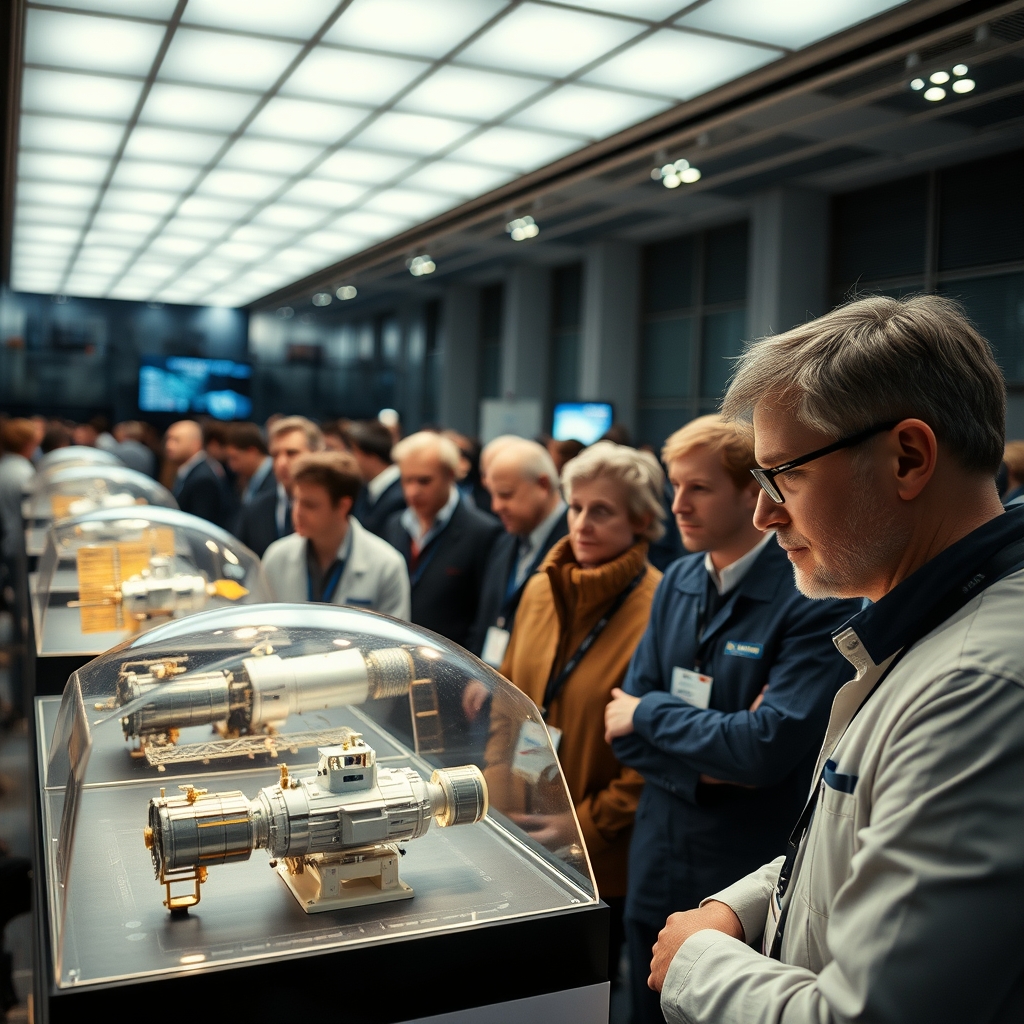
According to ESA Space Engineering & Technology, the 2026 Industry Space Days brought together dozens of companies, research institutes, and ESA officials under one roof. The photo archive released after the event offers a visual record of the booths, prototypes, and networking moments that define the annual showcase. Seeing the images helps understand why the gathering matters for Europe’s space ambitions.
The purpose behind the exhibition hall
Industry Space Days is ESA’s way of turning research contracts into market opportunities. The event invites suppliers to present mature technologies and early‑stage concepts that could support upcoming ESA missions. In practice this means a vendor can demonstrate a new propulsion module beside a satellite bus, while ESA engineers walk the floor to assess readiness. The photos show a mixture of large display structures and tabletop models, a clear sign that both hardware and software solutions are on display.
Who showed up and what they displayed
The image collection includes:
- Large aerospace firms with stands featuring scaled‑down launch‑vehicle mock‑ups and panels describing reusable‑engine technologies.
- Small‑satellite specialists displaying CubeSat kits, test‑beds for attitude‑control, and a few fully assembled nanosatellites ready for integration.
- Research labs presenting results from micro‑gravity experiments, often on tablet screens rather than physical hardware.
- Service providers offering ground‑segment software, data‑analytics platforms, and mission‑planning tools.
Because the photographs capture people interacting with the exhibits, they also illustrate the networking function of the event. Engineers, project managers, and procurement officers are seen in animated discussion, suggesting that the day is as much about relationship‑building as about technology display.
What actually changes: the trade‑off between open showcase and proprietary secrecy
The most significant shift that Industry Space Days creates is the balance between openness and confidentiality. By putting prototypes in a public hall, companies gain exposure and potential customers, but they also reveal design details that competitors could study. The photos of detailed engineering diagrams on poster boards underline this tension. In practice, participants mitigate the risk by limiting the depth of technical data shown—high‑level performance metrics are displayed, while the finer engineering parameters stay behind closed‑door meetings.
For ESA, the benefit is a clearer view of the European supply chain’s health. The event lets ESA gauge how many vendors can meet upcoming mission requirements, especially for high‑profile programs like the Lunar Gateway and the Ariane 6 launch system. The downside is the cost of organizing a large, in‑person exhibition at a time when many collaborations move online. The photos of a packed exhibition hall suggest that, at least for 2026, the in‑person format still draws enough interest to justify the expense.
Looking ahead: signals to watch for in the next round
A few visual cues hint at future directions for Europe’s space sector:
- Increased emphasis on small‑satellite capabilities – multiple booths feature modular CubeSat kits, indicating that ESA continues to push the micro‑satellite market.
- Rise of AI‑driven ground‑segment services – several service‑provider tables have laptop screens showing dashboards labelled “real‑time orbit prediction,” suggesting data‑analytics will become a larger part of mission operations.
- Sustainability messaging – some displays include banners about “green propulsion” and “recyclable structures,” pointing to a growing regulatory and public‑pressure focus on reducing space debris.
Stakeholders should monitor whether these visual trends translate into formal ESA procurement calls in the next year. If the number of AI‑focused service providers grows, ESA may issue more contracts for autonomous navigation and anomaly detection.
How to make the most of the event – practical steps for industry players
- Capture your own visual assets – the ESA photo archive shows that high‑quality images of hardware and clear signage attract attention. Prepare professional photos of your product before the next event.
- Prepare a concise data sheet – limit technical detail to headline performance (mass, power, Δv) on the booth; plan deeper discussions for scheduled meetings.
- Network deliberately – identify ESA officials who attend the event (often visible in group photos) and arrange short, focused talks.
- Follow up quickly – after the show, send a short email referencing a specific photo from the ESA archive to remind contacts of your stand.
By treating the visual record as a roadmap, companies can refine their presentation style and align their technology roadmaps with ESA’s evolving priorities.