ESA’s Industry Space Days 2026 Sets Record Attendance, What It Means for Europe’s Space Sector
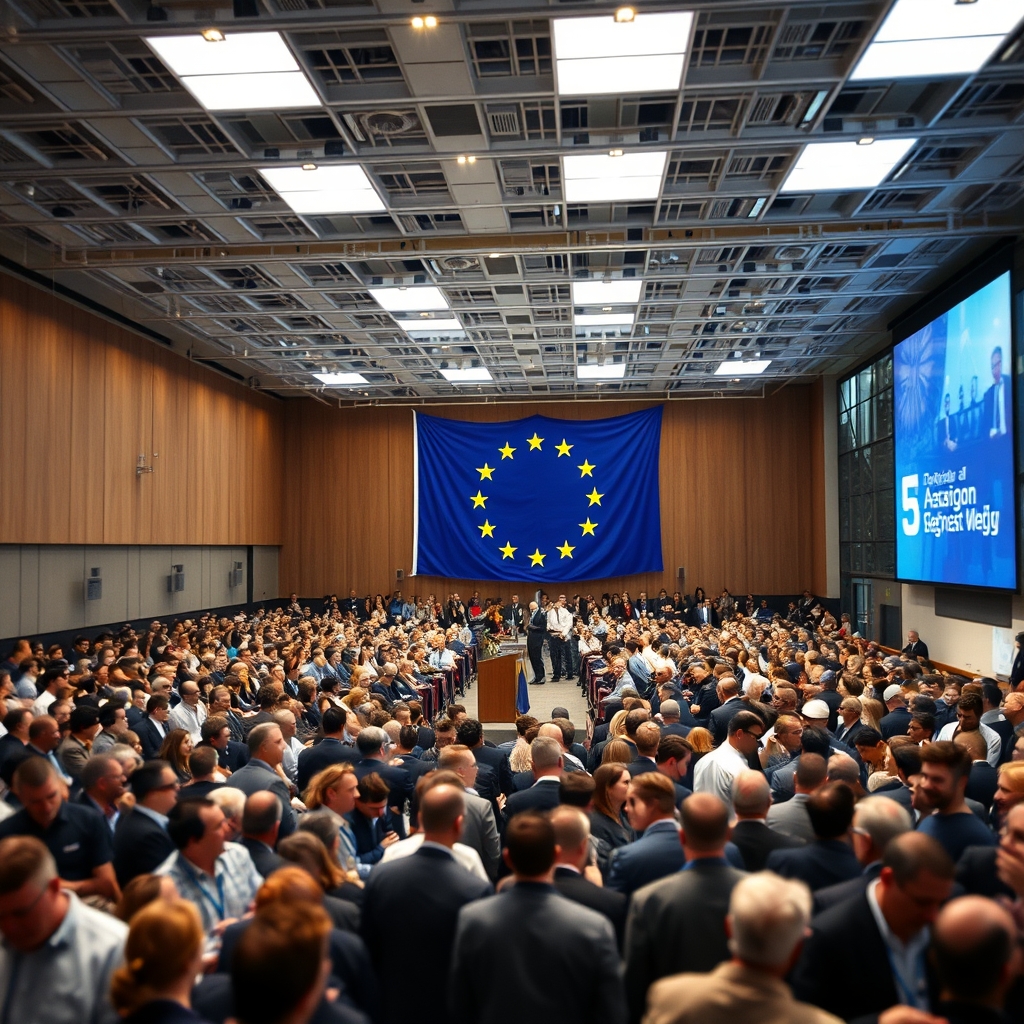
On 16–17 September 2026 the European Space Agency (ESA) hosted its Industry Space Days (ISD) at the ESTEC centre in the Netherlands. The event drew a record 3,100 visitors, including 1,500 companies, and featured more than 100 presentations across ESA’s programmes. This surge signals growing demand for direct industry‑to‑agency contact in Europe’s space ecosystem.
According to ESA Space Engineering & Technology, the two‑day ISD is the largest ESA‑focused business‑to‑business gathering and serves as a key calendar date for the continent’s space industry.
Record Turnout Highlights the Growing European Space Market
The attendance figures dwarf those of the 2024 edition, where just over 2,400 participants were recorded. More than 240 exhibitors, among them startups from ESA’s Business Incubation Centre (BIC) Village, filled the exhibition hall, while the B2B zone hosted nearly 10,000 scheduled and ad‑hoc meetings. The sheer volume of face‑to‑face interactions reflects a sector that is both expanding and increasingly eager to secure contracts with ESA.
New Features: Technology Tent and BIC Village Showcase
A first‑time addition, the Technology Tent, gave companies that have completed ESA technology projects a platform to pitch engineering solutions. This moves beyond the traditional exhibition model, turning the event into a live marketplace for proven technology. The BIC Village continued to spotlight early‑stage startups, offering them visibility alongside established contractors.
Comparing ISD 2026 with Past Editions
| Metric | ISD 2022 | ISD 2024 | ISD 2026 |
|---|---|---|---|
| Visitors | 2,400 | 2,650 | 3,100 |
| Companies represented | 1,200 | 1,350 | 1,500 |
| Exhibitors | 190 | 215 | 240 |
| Scheduled meetings | ~7,800 | ~9,000 | ~10,000 |
The table shows a steady upward trend in every major metric. The jump from 2024 to 2026 is especially notable in visitor numbers (+17 %) and scheduled meetings (+11 %). This pattern suggests that ESA’s outreach efforts and the broader market appetite are aligning.
What the Record Attendance Means for Small and Medium Enterprises
ESA’s SME (small‑ and medium‑sized enterprise) Section organised the event, explicitly aiming to create “practical opportunities for companies of all sizes”. For SMEs, the increased density of meetings can translate into more contract leads, but it also raises the bar for preparation. Companies must be ready to articulate their value propositions quickly, as the competition for ESA procurement slots intensifies when more firms vie for the same opportunities.
Analysis: The Real Trade‑off – More Meetings, More Complexity
The headline figure – 3,100 participants – is impressive, yet the underlying trade‑off is the logistical and strategic burden placed on attendees. With nearly 10,000 meetings, companies risk spreading their resources thin, especially if they schedule more sessions than they can meaningfully prepare for. In practice this usually means that firms will prioritize meetings with clear procurement relevance and defer broader networking to informal encounters. For ESA, the challenge lies in curating a schedule that balances breadth (allowing newcomers to connect) with depth (ensuring each meeting has a realistic chance of resulting in a contract). Watching the post‑event procurement outcomes will reveal whether the sheer volume translates into tangible contracts or merely creates a crowded marketplace.
Practical Steps for Companies Attending Future ISDs
- Pre‑plan meeting objectives – Identify the ESA programmes that align with your technology and draft concise talking points.
- Leverage the Technology Tent – If you have a completed ESA technology project, book a slot early; the tent offers heightened visibility.
- Network beyond scheduled slots – Use informal breaks to meet stakeholders who may not be on the official agenda.
- Follow up quickly – Send a brief recap email within 48 hours of each meeting to keep the conversation alive.
- Track metrics – Record the number of meetings, outcomes, and follow‑up actions to assess ROI (return on investment) for future participation.
By treating the ISD as a focused business development sprint rather than a general exhibition, firms can turn the record attendance into measurable growth.