Mars Welcomes 2026: The 38th Martian Year Begins
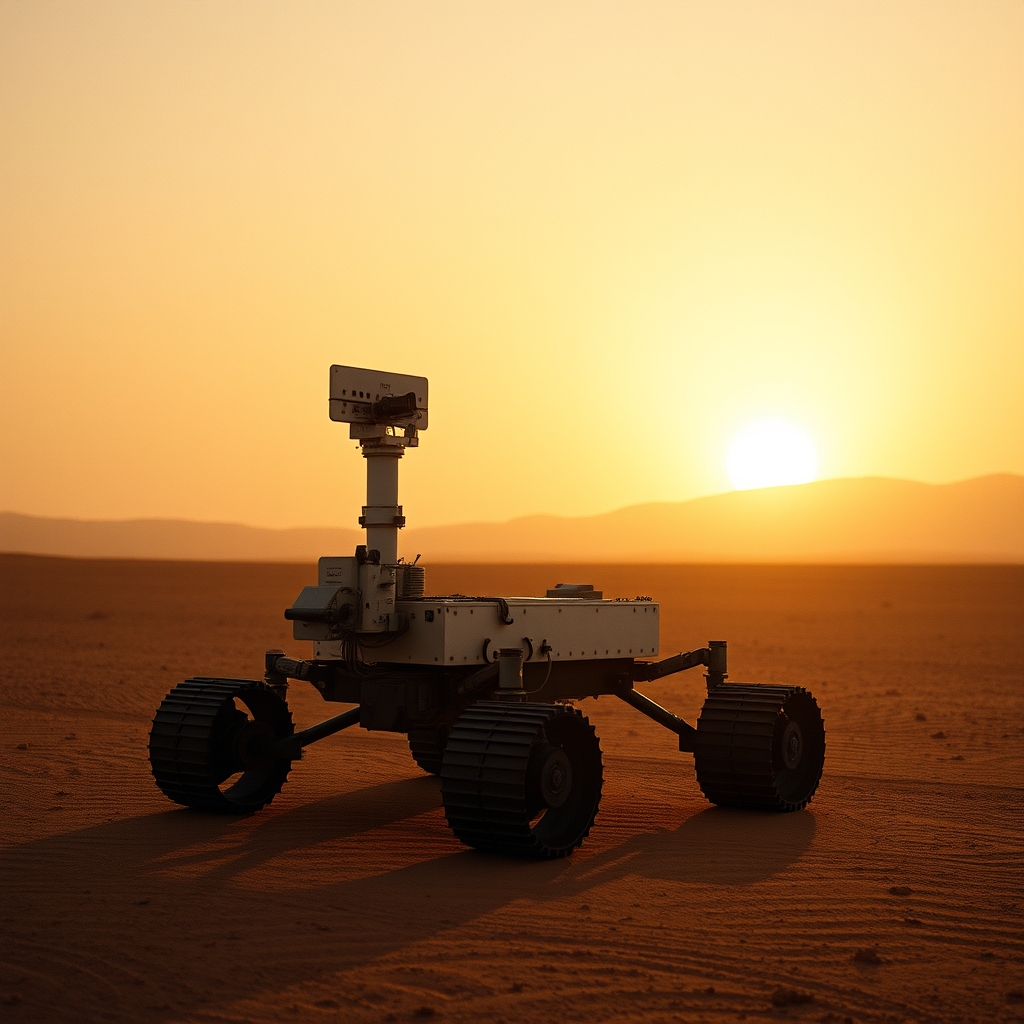
According to ESA Space Science, 30 September 2026 marks the start of a new year on Mars. At exactly 13:43 CET (11:43 UTC) on Earth, the Red Planet begins its 38th martian orbit around the Sun. The event is a reminder that we now keep a calendar for another world, and it raises practical questions for scientists, engineers, and anyone who follows space news.
What the Martian New Year Means
The ESA announcement treats the moment as a simple time‑stamp, but the implication runs deeper. A "martian year" is the time the planet needs to travel once around the Sun. By defining a start point, ESA creates a common reference for mission planners, researchers, and the public. The same way Earth’s calendar synchronises holidays, weather forecasts and contracts, a martian calendar can synchronise rover operations, orbital maneuvers and even public outreach campaigns.
How the Martian Calendar Was Built
The counting system began in 1955, a decision that appears arbitrary at first glance. ESA notes that the first year was aligned with a major storm named the great dust storm of 1956. Dust storms on Mars can engulf the entire planet, cutting sunlight for weeks and disrupting solar‑powered rovers. By anchoring year 1 to a dramatic, well‑documented event, the calendar gains a memorable historical anchor. Each subsequent year simply adds one full martian orbit to that starting point.
Comparing Earth and Mars Year Markers
| Event | Earth date (UTC) | Martian year | Earth calendar year |
|---|---|---|---|
| Start of Martian year 38 | 2026‑09‑30 11:43 | 38 | 2026 |
| Start of Martian year 37 | 2025‑03‑23 ≈ | 37 | 2025 |
| Start of Martian year 36 | 2023‑09‑25 ≈ | 36 | 2023 |
The table shows that each martian year begins roughly every 1.9 Earth years, a rhythm that does not line up with Earth’s January‑1 turnover. This mis‑alignment means that any long‑term mission must constantly translate between the two time‑keeping systems.
Implications for Missions and Public Engagement
For engineers, the calendar offers a concrete milestone to schedule activities that depend on seasonal changes—such as dust‑storm avoidance or solar‑panel optimisation. For example, the ExoMars rover’s power budget is tightly coupled to how much sunlight reaches the surface, which varies with martian seasons. Knowing that a new martian year begins on a specific Earth date lets mission control plan software updates or instrument calibrations far in advance.
Public outreach also benefits. ESA encourages the public to post "martian New Year’s resolutions" on its X, Facebook and Instagram accounts. By linking a familiar social‑media habit to a planetary event, ESA turns an abstract astronomical fact into a personal experience. Schools can adopt the martian calendar to teach orbital mechanics, while hobbyists gain a new timeline for tracking daily images from orbiters.
The Real Trade‑off: Timing vs Communication
The hidden cost of adopting a martian calendar is the extra layer of conversion that every stakeholder must maintain. Engineers already juggle Earth‑based project timelines, launch windows and orbital mechanics; adding a third calendar can introduce bookkeeping errors. In practice, this usually means dedicated software tools that automatically translate Earth UTC timestamps into martian year‑day (sol) counts. The trade‑off here is between the clarity a shared martian date provides and the overhead of maintaining that clarity.
Who should care? Mission planners, scientists analysing seasonal data, and educators looking for a vivid illustration of planetary motion will find the calendar useful. Casual fans may enjoy the novelty, but they do not need to track every sol. What to watch next? ESA plans to release a full martian almanac later in the year, detailing the start of each season and the timing of known dust‑storm periods. Keeping an eye on that release will tell you whether the calendar will become a standard tool or remain a publicity device.
Practical Steps You Can Take Today
- If you teach astronomy, download the table above and add the martian year start dates to your lesson plan. Use the 30 September 2026 entry as a live example of how planetary orbits differ from Earth’s.
- Follow ESA’s social‑media channels and post a short "martian resolution". It’s a quick way to engage with the broader space community and see how others think about interplanetary time‑keeping.
- For hobbyists with access to daily Mars images from public archives, mark the 38th martian year on your image‑logging spreadsheet. Watching how surface features change across a full martian orbit can be rewarding.
By treating the martian calendar as both a technical tool and a public‑engagement hook, the space community can turn an astronomical fact into everyday relevance.